For B2B wholesalers, supermarket chains, and international importers seeking premium-quality charcoal barbecue grills, surface treatment is a critical factor that determines product longevity, safety, and market appeal. As a leading manufacturer specializing in high-performance outdoor cooking equipment, we employ state-of-the-art surface treatment technologies to ensure our grills withstand extreme heat, resist corrosion, and deliver a polished finish that captivates end-users. Below, we break down the science and craftsmanship behind our processes—key selling points to elevate your inventory.
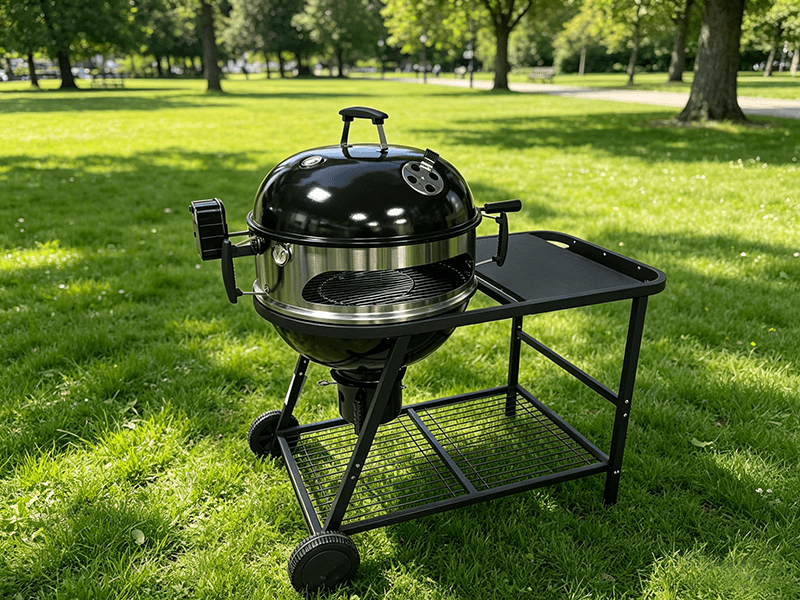
For charcoal barbecue grills, porcelain enamel coating is the industry's most trusted and frequently applied surface treatment—and for good reason. It delivers an unmatched combination of durability, heat performance, and visual appeal that meets the rigorous demands of both residential and commercial use.
Application: Grill lids, fireboxes, Charcoal grids (charcoal grates), and heat-retaining components.
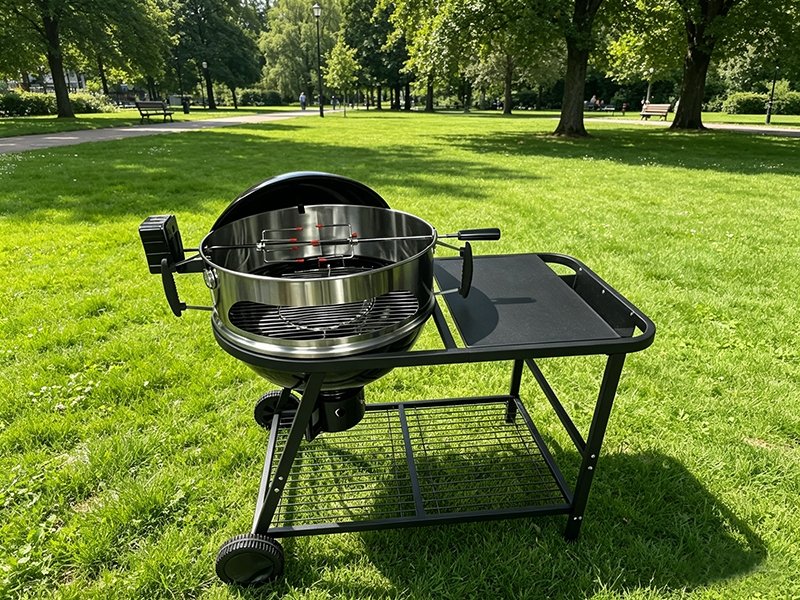
2. High-Heat Paint: Cost-Effective Thermal Protection
For components requiring reliable heat resistance with cost efficiency, high-heat paint offers a practical and durable solution. This specialized coating is engineered to maintain its integrity under extreme thermal conditions, making it a popular choice for various grill parts.
Application: Grill lids, grill fireboxes, heat shields, burner covers, and exterior components requiring high-temperature durability.
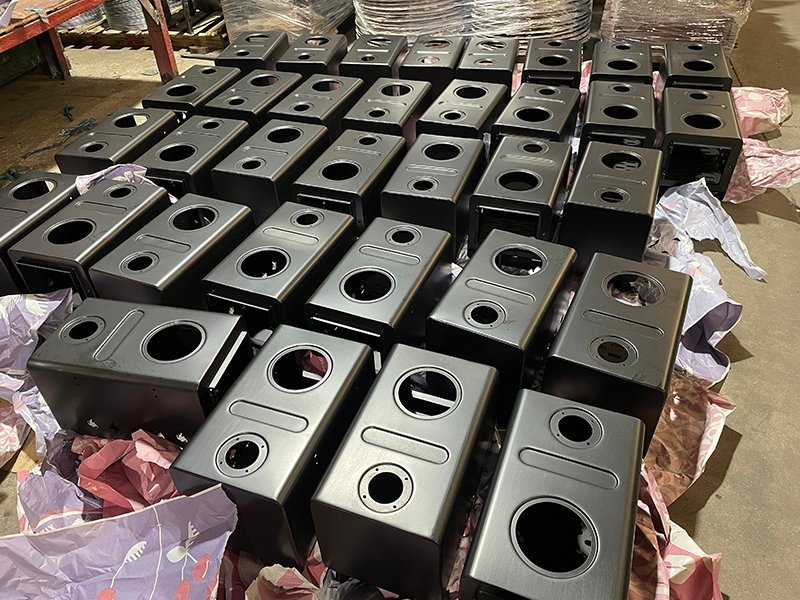
3. High-Temperature Powder Coating: Superior Heat Resistance & Aesthetic Flexibility
High-temperature powder coating represents an advanced evolution of traditional powder coating technology, specifically formulated to withstand extreme thermal conditions while delivering exceptional durability and visual appeal. This coating solution bridges the gap between cost-effectiveness and premium heat performance.
Application: Grill bodies, fireboxes, lids, heat shields, and exterior components requiring high-temperature resistance combined with premium aesthetics
4. Chrome Plating: Premium Finish for Cooking Grates
For cooking grates (cooking grids), chrome plating is the preferred surface treatment that combines exceptional durability with a sleek, professional appearance. This electroplated finish is specifically engineered to withstand the unique demands of direct food contact and high-heat grilling environments.
Application: Cooking grates (cooking grids), warming racks, and select food-contact components.
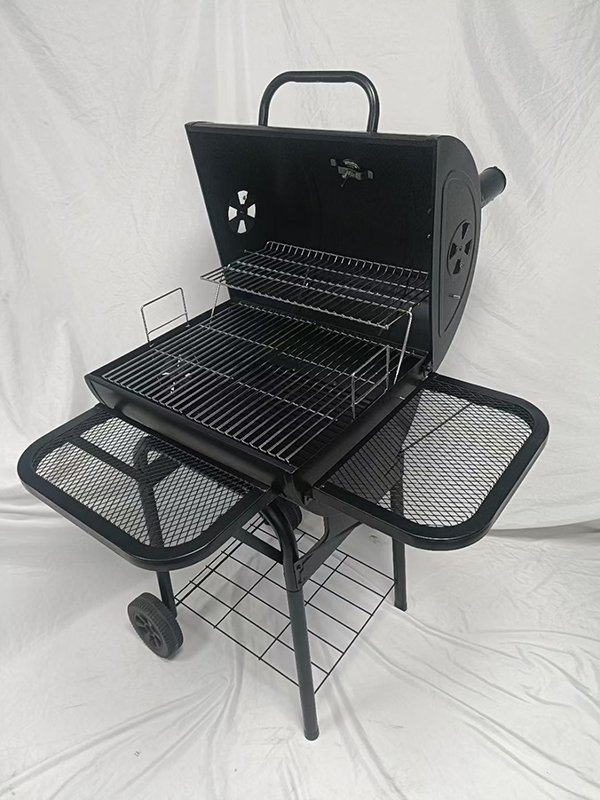
5. Electrophoresis (E-Coating): Robust Protection for Charcoal Grids
For charcoal grids (charcoal grates) that are in direct contact with burning charcoal and subjected to extreme thermal stress, electrophoresis (e-coating) provides a superior protective layer. This advanced electrodeposition coating process ensures exceptional corrosion resistance and durability in the most demanding grilling environments.
Application: Charcoal grids (charcoal grates), ash pans, and components exposed to direct charcoal contact and combustion environments.
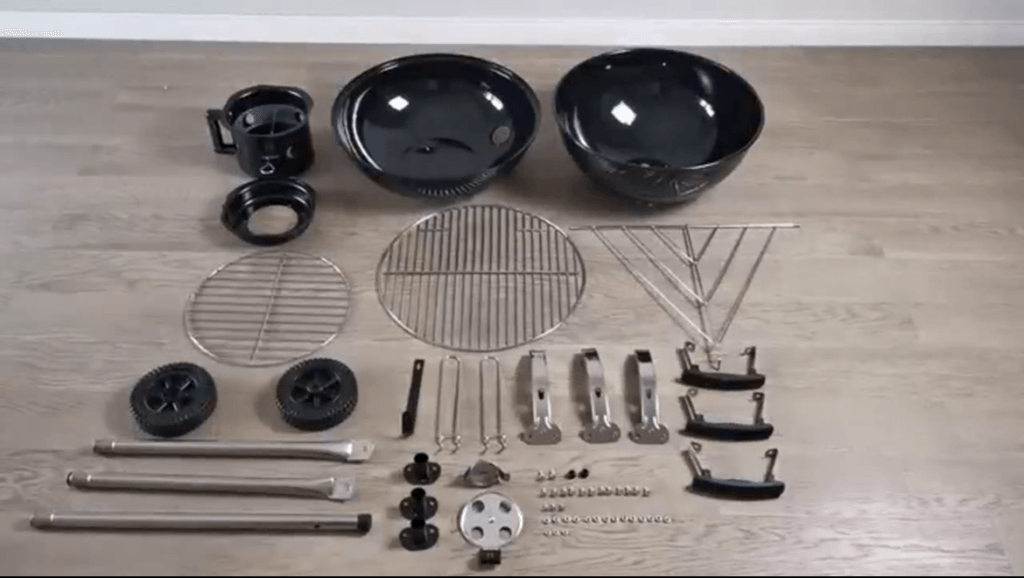
6. Electrolysis Polishing (Electropolishing): Premium Finish for 304 Stainless Steel Cooking Grates
For high-end cooking grates crafted from 304 stainless steel, electrolysis polishing (electropolishing) represents the ultimate surface finishing technology. This electrochemical process delivers a superior combination of corrosion resistance, hygiene, and aesthetic excellence that meets the most demanding standards of premium grill manufacturers.
Application: Premium cooking grates (cooking grids) made from 304 stainless steel, warming racks, and high-end food-contact components.
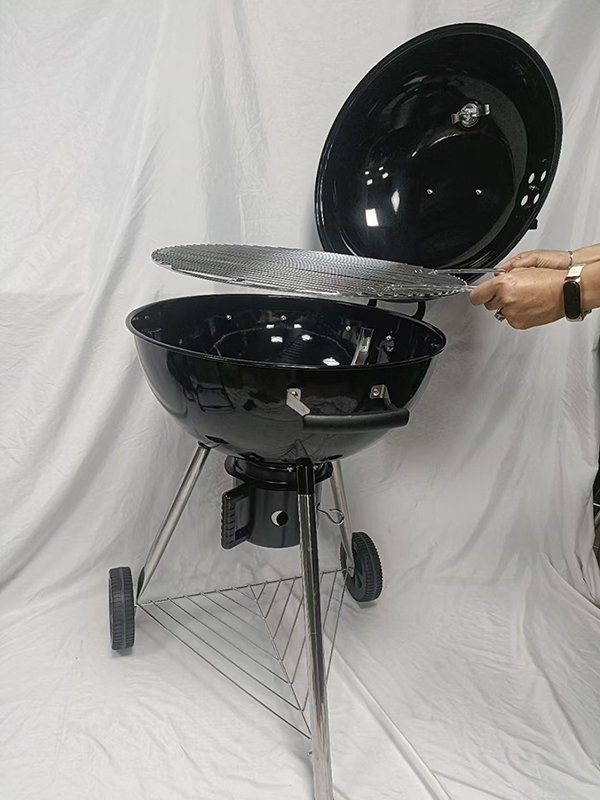
7. Electro-Galvanized Steel: Combating Moisture & Salt Corrosion
For coastal regions or humid climates, electro-galvanized steel ensures longevity. Our process involves:
Application: Grill frames, hinges, and internal components.
8. Stainless Steel Passivation: Enhancing Hygiene & Shine
For premium-grade grills, we use 304/430 stainless steel treated with nitric acid passivation:
Application: Cooking grates, handles, and trim details.
9. Quality Assurance: Rigorous Testing Protocols
To guarantee consistency for bulk orders, every batch undergoes:
Why Partner With Us?
Drive Sales with Grills Built to Last
By prioritizing advanced surface treatments, we help you stock products that reduce returns, amplify customer satisfaction, and command higher margins. Whether you're targeting budget-conscious retailers or luxury outdoor brands, our engineering expertise ensures your grill lineup stands apart.
Ready to Elevate Your Inventory?
Contact us today for catalogs, samples, and bulk quotes. Let's turn heat into profit!
Understanding the Difference Between Pellet Grills and Charcoal Grills
Grilling is an age-old tradition that brings friends and family together, but the choice of grill can significantly impact your cooking experience and the flavors of your food. Two popular options on the market are pellet grills and charcoal grills. In this article, we'll delve deep into the unique characteristics of each type, exploring their differences, benefits, and how they stack up against each other.
What is a Pellet Grill?
Pellet grills have gained popularity over recent years for their unique combination of convenience and versatility. Unlike traditional grills that use gas or charcoal, pellet grills utilize compressed wood pellets as fuel.
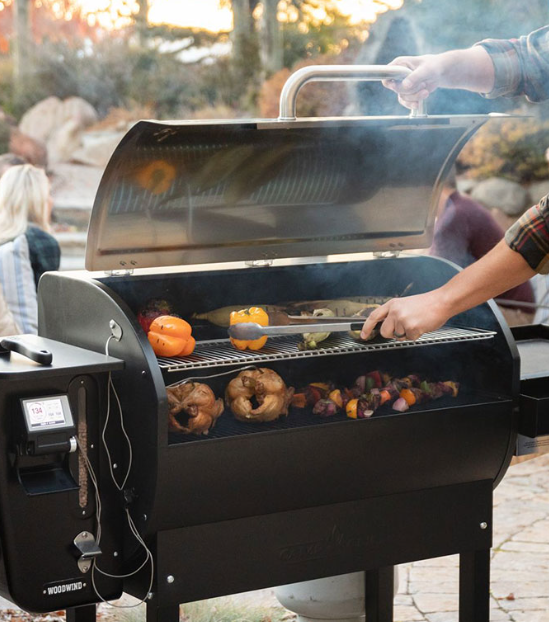
How Pellet Grills Work
Pellet grills function using a combination of electronic components that manage temperature and airflow. The pellets are fed into a firebox where they ignite, creating heat and smoke. This system allows for precise temperature control, making it easier to maintain consistent cooking conditions.
Advantages of Using a Pellet Grill
Disadvantages of Pellet Grills
While pellet grills have numerous benefits, they also come with some drawbacks:
What is a Charcoal Grill?
Charcoal grills have been around for decades and are often the go-to choice for traditional grilling enthusiasts. They operate using charcoal briquettes or lump charcoal as fuel.
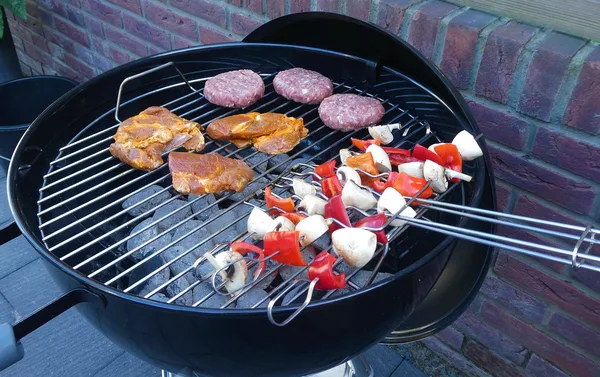
How Charcoal Grills Work
Charcoal grills work by lighting the charcoal, which then burns to generate heat. The cooking process is influenced by how the charcoal is arranged and the airflow in the grill, allowing for high-heat searing or low-and-slow cooking methods.
Advantages of Using a Charcoal Grill
Disadvantages of Charcoal Grills
Despite their popularity, charcoal grills also have their downsides:
Key Differences Between Pellet and Charcoal Grills
Now that we have a foundational understanding of both pellet and charcoal grills, let’s compare them across various aspects to help you decide which is the best fit for your grilling needs.
1. Cooking Method
2. Temperature Control
3. Flavor Profiles
4. Versatility
5. Ease of Use
6. Cleanup and Maintenance
Choosing the Right Grill for You
When deciding between a pellet grill and a charcoal grill, consider your cooking style, flavor preferences, and convenience.
Factors to Consider
Budget Considerations
Your budget will also play a significant role in your decision. Pellet grills tend to be pricier, especially for high-end models, while charcoal grills offer a more economical entry point.
Conclusion
In the battle between pellet grills and charcoal grills, the choice ultimately comes down to personal preference. Pellet grills offer convenience, versatility, and unique flavors, while charcoal grills provide that classic grilling experience and a rich flavor profile. Whichever grill you choose, mastering the art of grilling is sure to enhance your culinary skills and make your gatherings unforgettable.
FAQs
Ready to Elevate Your Grilling Game?
Whether you choose the convenience of a pellet grill or the classic flavor of a charcoal grill, the right grill can transform your cooking experience. Don’t wait any longer—explore your options and find the perfect grill for your needs today! Check out our selection, and start your journey to mastering the art of grilling.
How to Choose a Good OEM/ODM BBQ Grill Manufacturer
When it comes to launching your own line of BBQ grills, working with an OEM (Original Equipment Manufacturer) or ODM (Original Design Manufacturer) can be a game changer. But with so many options in the market, how do you choose the right partner? In this guide, we’ll walk you through the key factors to consider when selecting the best OEM/ODM BBQ grill manufacturer for your business, helping you avoid pitfalls and make informed decisions.
Table of Contents
Introduction: The Importance of Choosing the Right Manufacturer
Choosing the right OEM/ODM BBQ grill manufacturer is one of the most critical decisions you’ll make for your business. It not only affects the quality and durability of your grills but also influences your brand’s reputation, pricing, and ability to scale. Whether you’re a new business owner or looking to expand your product line, selecting the wrong partner can lead to delays, cost overruns, and ultimately dissatisfied customers.
Understanding the Difference Between OEM and ODM
Before diving into the selection process, it’s important to understand the distinction between OEM and ODM manufacturing:
Knowing which model suits your business needs will help streamline the selection process.
Why Work with an OEM/ODM Manufacturer for BBQ Grills?
The BBQ grill market is competitive, and developing your own product line can be resource-intensive. Partnering with an OEM or ODM manufacturer allows you to leverage their expertise, production capabilities, and experience. These manufacturers often have the knowledge and infrastructure to produce high-quality grills efficiently, which can save you time and money. Moreover, they offer access to cutting-edge designs and technologies that would be costly to develop in-house.
Factors to Consider When Choosing an OEM/ODM Manufacturer
1. Quality Standards and Certifications
Quality should be at the top of your list when selecting a manufacturer. Look for companies that have robust quality control processes in place and hold certifications like ISO 9001, which indicate a commitment to producing top-notch products. BBQ grills need to withstand extreme conditions like heat and outdoor exposure, so durability and safety standards are essential.
If you are looking for a barbecue grill factory to develop your new product, YEENE grill factory is a good manufacturer. We are certified by ISO9001 and industry standards including CE, EN 1860-1, DGCCRF, LFGB and FDA. Also, we can provide BSCI, FSC, ROHS if needed.
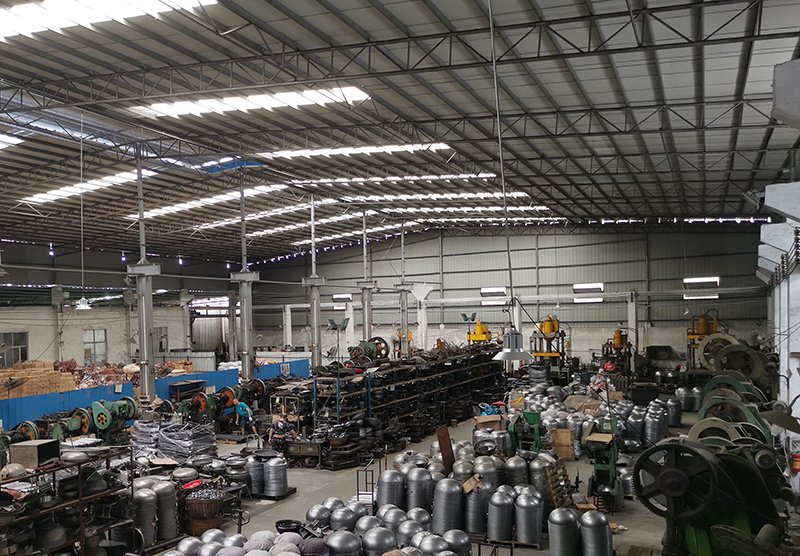

2. Production Capacity and Scalability
Can the manufacturer meet your current demand and scale as your business grows? It’s essential to choose a manufacturer with the capacity to handle both small and large production runs. Ask about their maximum output per month and whether they can increase production if needed.
YEENE grill manufacturer 90% of production processes are finished by ourselves. Our strong production capacity allows us to handle up to 1,000 containers each year, with guaranteed delivery within 30-40 days after confirm order. This reliable and fast turnaround keeps your supply chain running smoothly, helping you stay competitive by getting your products to market quickly. If you are finding a new grill and smoker supplier, you could contact our sales team via email sales@yeenegrills.com.

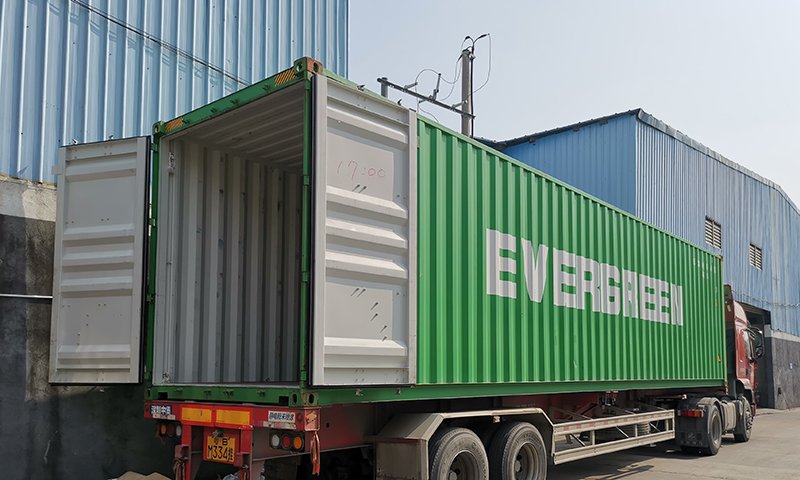
3. Customization Options
Customization is a key reason businesses opt for OEM/ODM solutions. You may want to design grills with unique features, sizes, or finishes that reflect your brand. Ensure the manufacturer can accommodate your customization requests and has a flexible production process.
Partner with YEENE expert OEM/ODM team. including 6 professional engineers and 10 international service members to develop new barbecue grill with you. We're dedicated to delivering exceptional products and exceeding your expectations at every step. Let’s bring your vision to life together! Contact Us Now! Our email is sales@yeenegrills.com.
4. Technological Capabilities
Does the manufacturer have advanced machinery and technology to produce high-quality grills? Technologies like laser cutting, robotic welding, and precision molding can significantly improve the performance and aesthetics of your BBQ grills. You want a partner who can keep up with innovations in the industry.
YEENE factory can be solve all of your care. We have laser cutting, robotic welding, stamping machine, tensile, coating line, porcelain enamel and automatic packaging etc.

5. Experience and Expertise
A manufacturer’s reputation in the industry speaks volumes about their reliability. Look for companies with extensive experience in producing BBQ grills or similar outdoor cooking equipment. They will understand the nuances of grill design, safety standards, and consumer preferences. Check products, production line, and review any case studies or portfolios they may provide.
Evaluating the Manufacturer’s Design and Innovation Capabilities
When developing a BBQ grill, design plays a crucial role in both functionality and customer appeal. Evaluate the manufacturer’s design team—do they have experienced engineers and designers who can bring your vision to life? Additionally, inquire about their past innovations and whether they can incorporate new trends like smart grill technology or eco-friendly materials.
If you are worry about the can’t find a good grill OEM manufacturer. You could contact YEENE GRILL, our founder team have more than 18 years experiences on grill industry and all of engineers with more than 10 years experiences on grill developing. Also, we have a team of 10 professional quality control experts, each with over 10 years of experience in AQL Level 2 product inspection, ensuring the highest standards of quality. Start To Contact Engineer Now. Our email is sales@yeenegrills.com
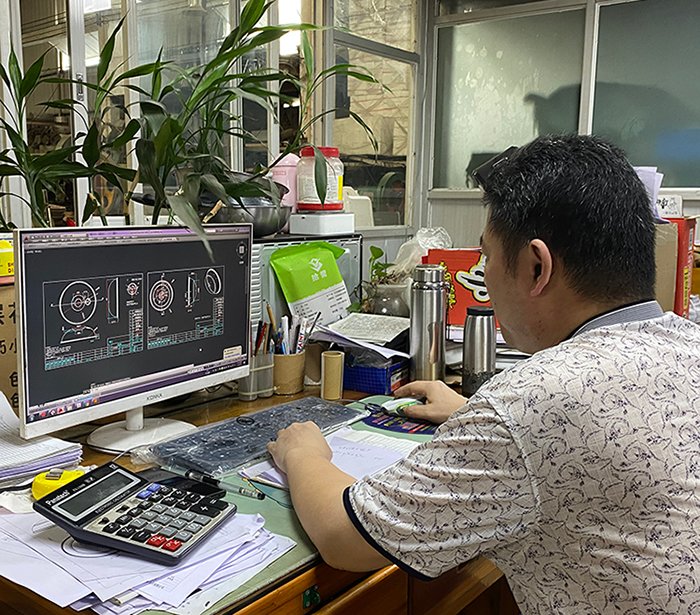
The Importance of Communication and Support
Clear communication is crucial when working with an overseas manufacturer. Ensure the manufacturer has a dedicated support team that is proficient in your language and responds promptly. Miscommunication can lead to costly mistakes and delays, so transparency and a strong relationship are key.
Inspecting the Manufacturer’s Supply Chain
The strength of a manufacturer’s supply chain is often an overlooked factor. Investigate their suppliers for materials and components to ensure consistency in quality. Additionally, ask if they have backup suppliers in case of shortages or other disruptions.
Compliance with International Standards and Regulations
Your BBQ grills must comply with the safety and quality regulations of the markets you plan to sell in. Whether you’re selling in North America, Europe, or elsewhere, ensure the manufacturer adheres to all relevant standards, such as CE marking for Europe or DGCCRF certification for France market. Failing to comply can result in hefty fines or even product recalls.
Pricing and Cost Considerations
Pricing is, of course, a significant consideration when choosing a manufacturer. However, it’s crucial not to sacrifice quality for a lower price. Compare quotes from multiple manufacturers, but also consider their quality standards, production timelines, and post-production support when making your decision.
Lead Time and Delivery Schedules
In any manufacturing partnership, delays can be costly. Ensure the manufacturer has a proven track record of meeting delivery schedules. Discuss lead times upfront and get a clear understanding of how they handle unexpected delays.
Usually, it needs about 2-3days to make 2D and 3D drawings. After that, it will take about 25-30days to make a new mold and samples to confirm the size, function and quality. Then improve the product.
After confirm the samples by both, the mass order delivery time about 25-30days. Send Us Grill Drawing.
Post-Manufacturing Support and Warranty
Once your BBQ grills are produced and shipped, the relationship shouldn’t end there. Check if the manufacturer offers post-manufacturing support, such as repairs, replacement parts, and warranties. Having this backup can save you from future headaches if any issues arise with your products.
Case Study: Success Stories in BBQ Grill Manufacturing
Many leading BBQ grill brands started by partnering with OEM/ODM manufacturers. For example, companies like Weber and Napoleon have leveraged their partnerships to offer premium grills with advanced features while maintaining cost efficiency. This demonstrates how the right manufacturer can propel your brand to new heights.
Common Pitfalls to Avoid When Choosing a Manufacturer
While many manufacturers offer tempting deals, there are common pitfalls to avoid:
Negotiating Contracts and Agreements with OEM/ODM Partners
Before entering into any agreement, ensure all details are clearly laid out in a contract, including production timelines, quality control measures, and payment terms. Don’t be afraid to negotiate terms that are favorable to both parties, such as flexible lead times or lower minimum order quantities.
Conclusion: Making the Final Decision
Selecting the right OEM/ODM BBQ grill manufacturer can set the foundation for your brand’s success. By considering factors like quality, production capacity, customization options, and post-production support, you’ll be in a strong position to choose a partner that aligns with your business goals. Take your time, do thorough research, and don’t hesitate to ask for samples or visit the factory before making a commitment.
FAQs About OEM/ODM BBQ Grill Manufacturing
1. What’s the difference between OEM and ODM in BBQ grill manufacturing?
OEM allows you to control the design, while ODM offers pre-designed products that you can rebrand.
2. How important is product customization for a BBQ grill brand?
Customization is key to differentiating your brand in the market, allowing you to offer unique features and designs that resonate with your target audience.
3. Can I customize my BBQ grill design with an OEM/ODM manufacturer?
Yes, most OEM/ODM manufacturers offer customization options for design, materials, and features.
4. How can I verify the quality of a BBQ grill from an OEM/ODM manufacturer?
You can request product samples, visit their manufacturing facility, and check for relevant certifications like ISO or industry-specific standards.
5. What factors influence the cost of OEM/ODM BBQ grills?
Costs are affected by factors like materials, design complexity, order volume, and additional customization features.
6. How do I know if an OEM/ODM manufacturer is reliable?
Check the manufacturer’s experience, reviews, certifications, and past projects. Visiting the factory or requesting samples is also helpful.
7. What is the typical lead time for a BBQ grill order from an OEM/ODM?
Lead times can vary, but typically range from a few weeks to several months depending on the size and complexity of the order.
Partner with YEENE GRILL factory for your BBQ grill market. We provide a full-service solution, from design and R&D to customization, production, testing, packaging, logistics, and sales strategies. Let's grow your business together!
Introduction
Charcoal grills are a beloved staple for outdoor cooking enthusiasts. They deliver that unique smoky flavor that other grills just can't replicate. But have you ever wondered what keeps these grills looking good and functioning well despite the intense heat and harsh outdoor conditions? The answer lies in the coatings applied to charcoal grills. In this article, we'll dive deep into the various coatings used on charcoal grills, why they're essential, and how to choose the best one for your needs.

What is a Charcoal Grill?
Charcoal grills are outdoor cooking devices that use charcoal as a fuel source to generate heat. These grills come in various shapes and sizes, from portable models perfect for tailgating to large, stationary units ideal for backyard barbecues. The main types of charcoal grills include kettle grills, barrel grills, and kamado grills, each offering unique benefits and cooking styles.
Why Coating is Necessary?
Protection from Rust and Corrosion
One of the primary reasons charcoal grills are coated is to protect them from rust and corrosion. Exposure to moisture, oxygen, and the elements can cause metal to oxidize and deteriorate over time.
Enhancing Durability and Longevity
A good coating extends the life of your grill by providing an additional layer of protection against physical damage and wear.
Improving Aesthetics
Coatings also enhance the appearance of grills, giving them a sleek, polished look that appeals to many users.
Common Materials Used for Coating Charcoal Grills
Several materials are commonly used to coat charcoal grills, each with its benefits and drawbacks.
Porcelain Enamel Coating
What is Porcelain Enamel?
Porcelain enamel is a glassy substance applied to metal surfaces. It's known for its durability and heat resistance.
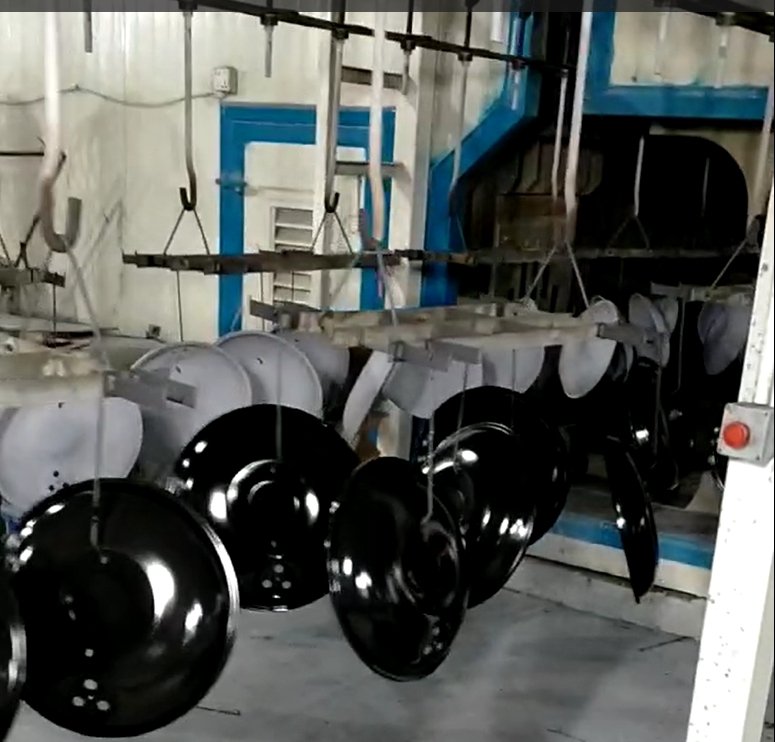
Benefits of Porcelain Enamel Coating
Maintenance Tips for Porcelain Enamel Coating
Powder Coating
Understanding Powder Coating
Powder coating involves applying a dry powder to the grill's surface, which is then cured under heat to form a hard, protective layer.
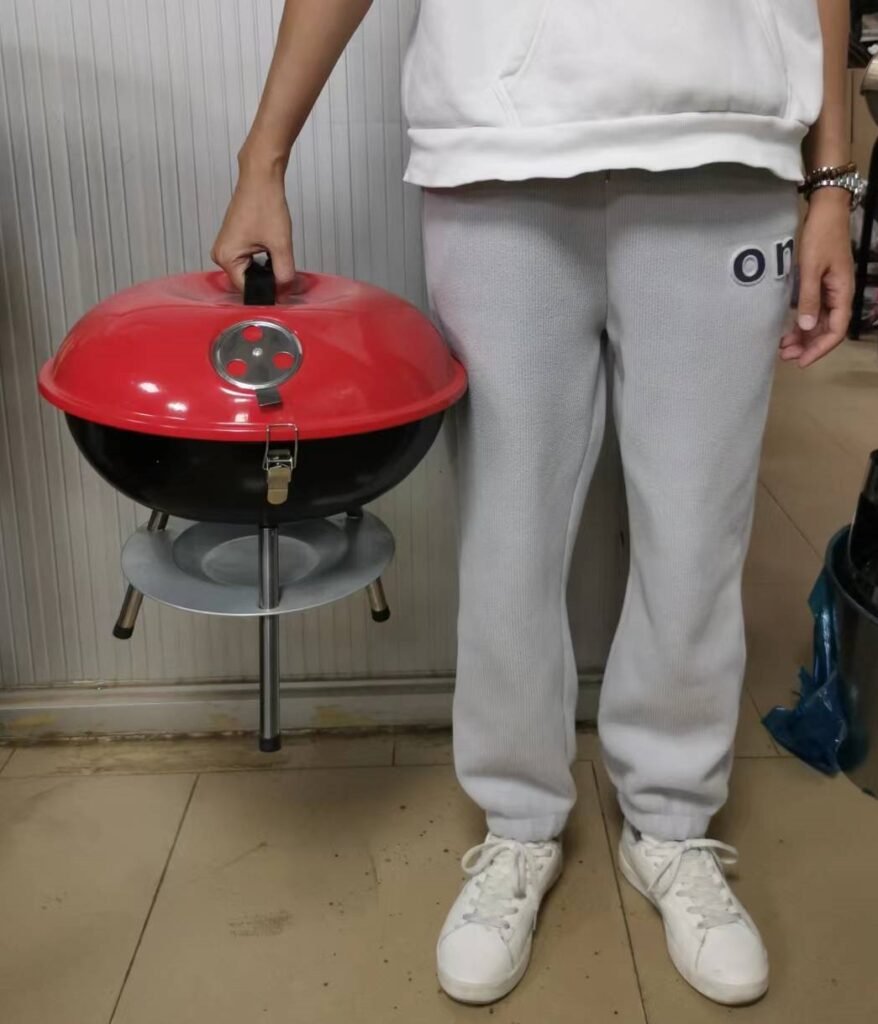
Advantages of Powder Coating
Care and Maintenance
High-Temperature Paint
What Makes High-Temperature Paint Special?
This paint is formulated to withstand extremely high temperatures, making it ideal for grills.
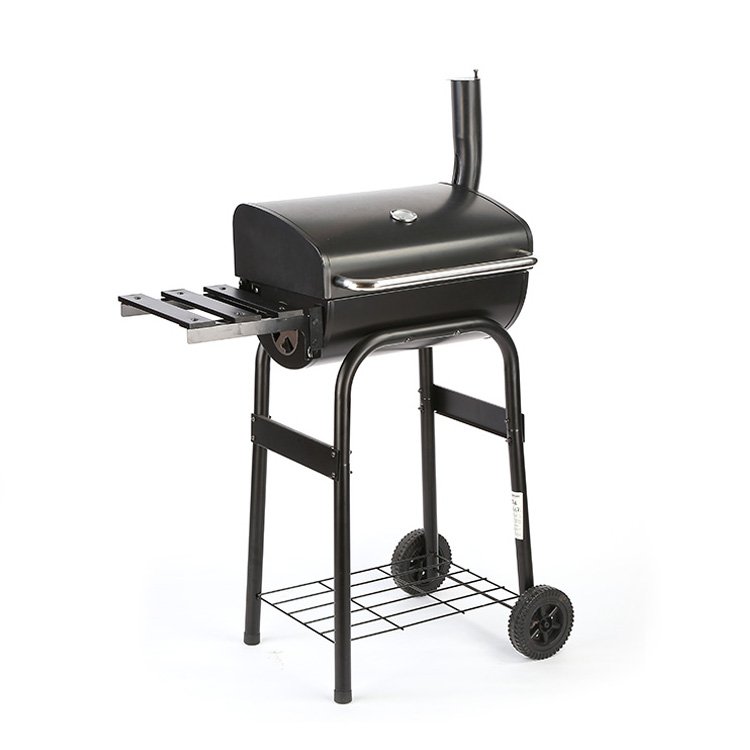
Benefits of High-Temperature Paint
Maintenance and Longevity
Stainless Steel Coating
What is Stainless Steel Coating?
Stainless steel coating involves applying a protective layer to stainless steel surfaces to enhance their resistance to heat and corrosion.
Pros and Cons of Stainless Steel Coating
Maintenance Tips
Comparing Different Coatings
Porcelain Enamel vs. Powder Coating
Porcelain enamel is highly durable and heat-resistant but can chip if hit hard. Powder coating is less prone to chipping but may not withstand extreme heat as well as porcelain enamel.
Powder Coating vs. High-Temperature Paint
Powder coating is more durable and eco-friendly, while high-temperature paint is easier to apply and reapply.
High-Temperature Paint vs. Stainless Steel Coating
High-temperature paint is cost-effective and easy to use, but stainless steel coating offers superior durability and rust resistance.
Factors to Consider When Choosing a Coating
Grill Usage and Frequency
Consider how often you use your grill and the types of foods you cook. Heavy users might benefit from more durable coatings.
Climate and Environmental Conditions
Grills used in humid or coastal areas might need coatings that offer better rust protection.
Budget Considerations
Balance your budget with the desired durability and aesthetics. Some coatings might be pricier but offer better long-term value.
Environmental Impact of Coatings
Eco-Friendly Coating Options
Look for coatings with low VOC emissions and environmentally friendly manufacturing processes.
Safe Disposal of Coated Grills
Properly dispose of grills by following local guidelines to minimize environmental impact.
Popular Brands and Their Coating Technologies
Weber Grills
Known for their durable porcelain enamel coatings that resist rust and retain heat efficiently.
Char-Broil
Utilizes a variety of coatings, including high-temperature paint and stainless steel, to offer versatile and durable grills.
Kamado Joe
Famous for their ceramic coatings that provide excellent heat retention and even cooking.
Customer Reviews and Experiences
Real-Life Experiences with Different Coatings
Customers often praise porcelain enamel for its longevity but appreciate the ease of maintenance with powder coating.
Expert Opinions
Grill experts typically recommend choosing a coating based on usage frequency, climate, and personal preferences.
Conclusion
Selecting the right coating for your charcoal grill is essential for maximizing its lifespan, maintaining its appearance, and ensuring top performance. Whether you're drawn to the robust durability of porcelain enamel, the eco-friendly benefits of powder coating, or the high resistance of stainless steel, each option has its unique advantages. By considering factors like how often you grill, the climate you live in, and your budget, you can make an informed decision that keeps your grill in top shape for years to come.
Enhance your grilling experience with the durability and quality your charcoal grill deserves! As a leading Chinese charcoal grill factory, we specialize in providing top-notch grills with premium coatings that stand the test of time.
Whether you need porcelain enamel, powder coating, or stainless steel finishes, our products are designed for long-lasting performance.
Contact us today to learn more about our grills and coating options, and let us help you deliver the best BBQ experience to your customers!
After you place order to factory, do you always worry about the quality?
Ordering a charcoal grill from a factory can be a nerve-wracking experience, especially when you worry about the quality of the product you'll receive. It's a common concern, but there are effective strategies to ensure that your order meets your expectations.
This is Misa from YEENE charcoal grill factory. I write this guide will walk you through the steps to mitigate these worries and guarantee that your charcoal grills are of the highest quality.
Understanding Quality Assurance
Quality assurance (QA) is all about making sure that the products you order meet specific standards of quality. It involves a systematic process of checking, testing, and reviewing products to ensure they conform to the requirements. QA is crucial because it helps prevent defects and ensures that customers receive products that meet or exceed their expectations.
Choosing the Right Factory
The first step in ensuring the quality of your charcoal grills is selecting the right factory. Research is key here. Thoroughly assess supplier backgrounds, check certifications, verify their capacity to meet large orders etc. consider visiting the factory if possible. A factory with a good reputation is more likely to produce high-quality products.
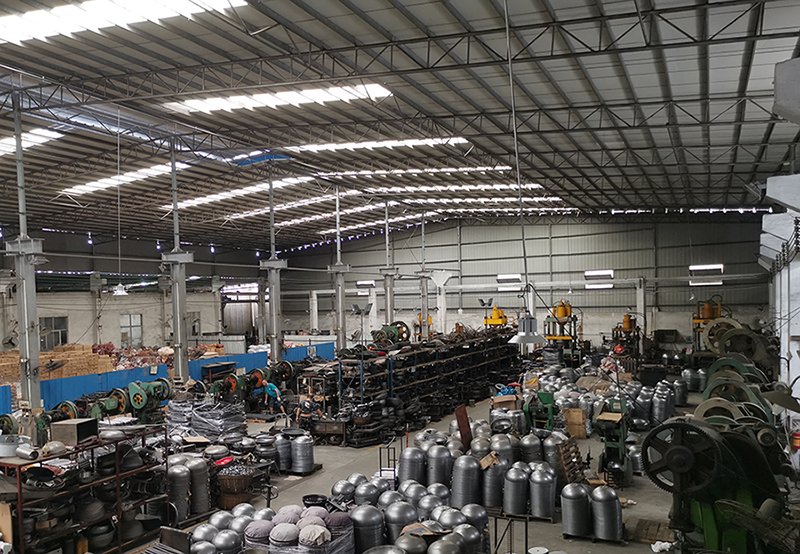
There are some of keys for choosing the right charcoal grill factory.
1. Certificates: What certificates they can provide?
Work with the correct certifications and testing for factory are very important to you. For factory certificates including Sedex, BSCI, and/or ISO.
For products comply with EU regulations on CE (EN-1860) and REACH. And some marketing request LFGB, DGCCRF (for France marketing), FDA, ROHS, FSC and single packaging drop test.
If you're looking for a charcoal grill manufacturer to export to Europe, these certificates are crucial. I could indicate whether we meet these standards and send you the certificates.
2. Check factory capacity and production capacity
A clear understanding of charcoal grill factory’s production capabilities helps you maintain a competitive edge by reliably supplying high-quality grills in a timely manner.
After you choose a charcoal grill manufacturer, you could let them to fill out a form to know more information. There are more some of manufacturer’s info as below.
| Range Produced | Main Category |
| Main export country | Main Europe Customer |
| Machine qty | Size of factory |
| Size of warehouse | Show room size |
| Production lines | Packing lines |
| Capacity - units per month | Peak season lead time (Days) |
| Capacity-TEUs per month | Average lead time (Days) |
| Peak season month | Low season month |
| Existing workers qty | Total office staff qty |
| Total workers qty (low season) | Total workers qty (peak season) |
| Management team qty | Merchandise team qty |
| Sourcing team qty | QC team qty |
| Compliance team qty | Experienced workers > 5years |
| OEM/ODM capacity | Factory photo |
Setting Clear Expectations
Once you've chosen a factory, it's important to communicate your standards and requirements clearly. Provide detailed specifications for the charcoal grills, including quantity, materials, dimensions, finish, LOGO, manual, packing, and any special features. The more detailed your specifications, the easier it will be for the factory to meet your expectations.
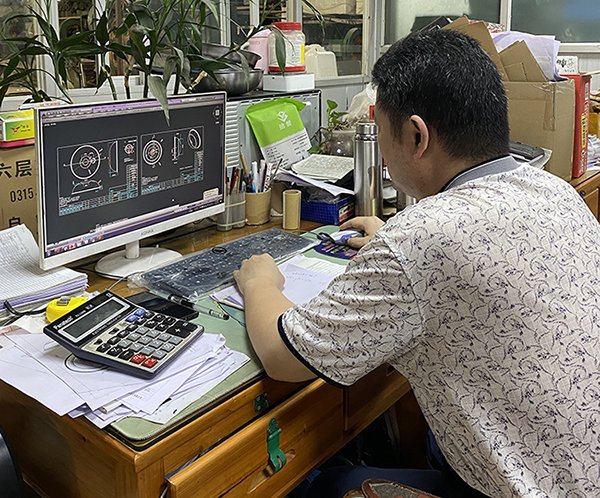
Conducting Pre-Production Meetings
Pre-production meetings are essential for aligning expectations between you and the factory. These meetings allow you to discuss your requirements in detail, address any potential issues, and ensure that everyone is on the same page. Key points to cover include production timelines, quality standards, and any special instructions.
Requesting Samples and Prototypes
Before full-scale production begins, request samples or prototypes of the charcoal grills. These samples will give you a tangible example of the factory's work and allow you to assess the quality firsthand. Carefully examine the samples for any defects or deviations from your specifications.
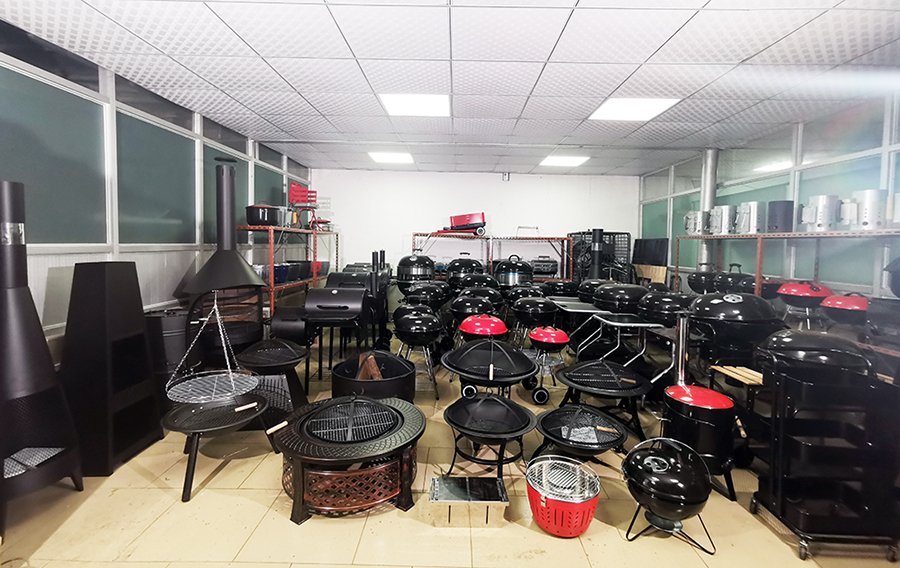
Our factory has various charcoal grill, including kettle charcoal grill, portable grill, barrel grill, smoker, fire pit and so on. I could send you sample to check quality and all details.
Sample lead time about 1-2 days. You only have to bear the shipping cost and a small sample fee. Sample cost would be refunded once you place official order.
Establishing Quality Control Procedures
Setting up quality control procedures is critical to maintaining consistent product quality. Work with the factory to establish checkpoints throughout the production process where quality can be inspected. Ensure that factory staff are trained on your quality standards and know what to look for.
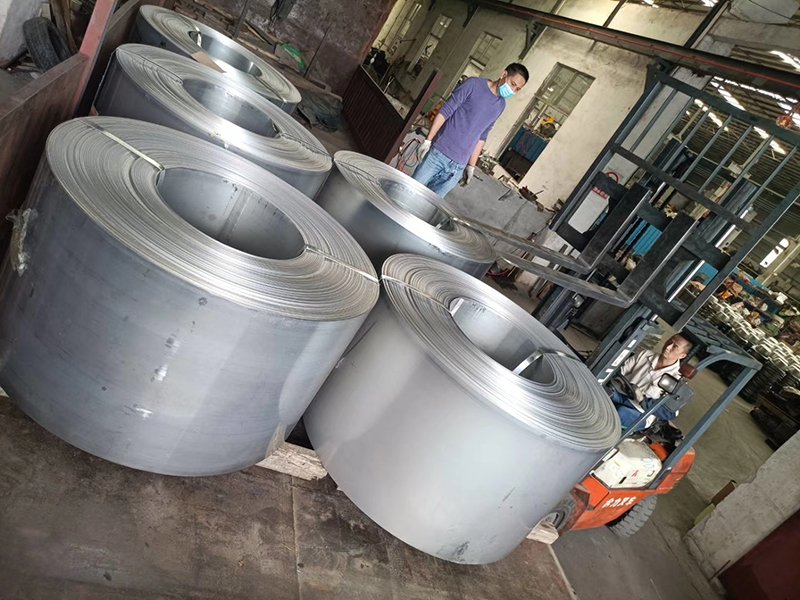
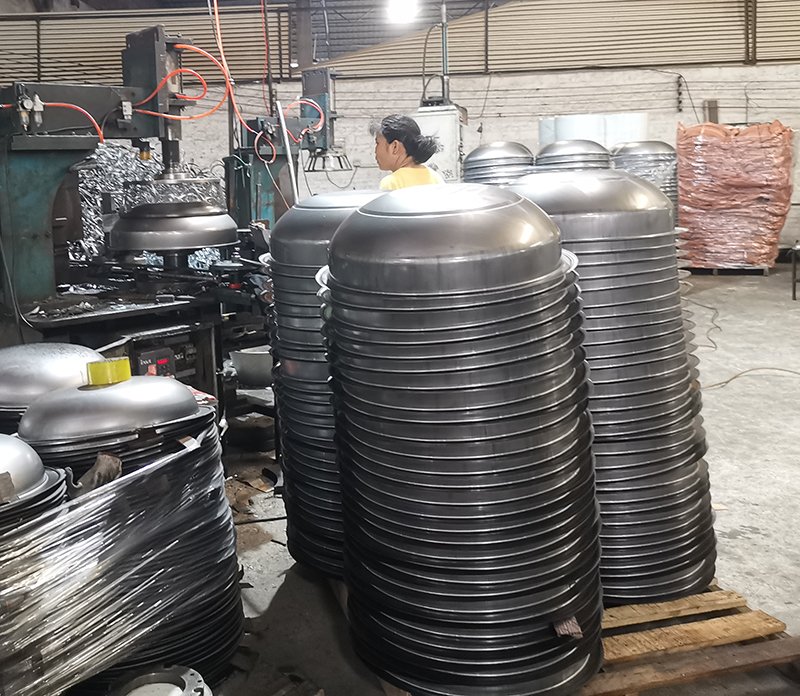
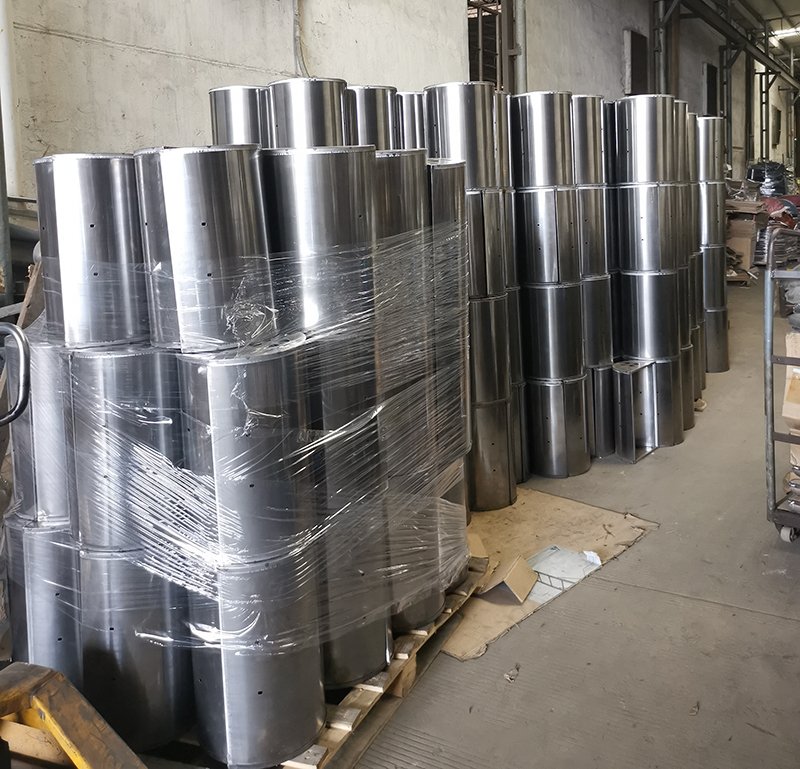
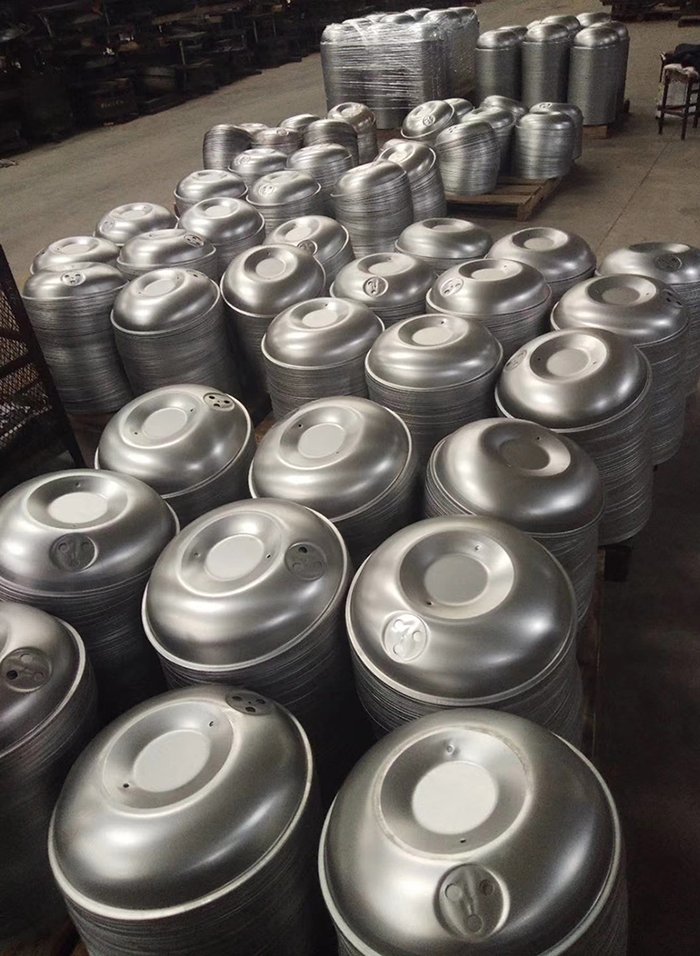
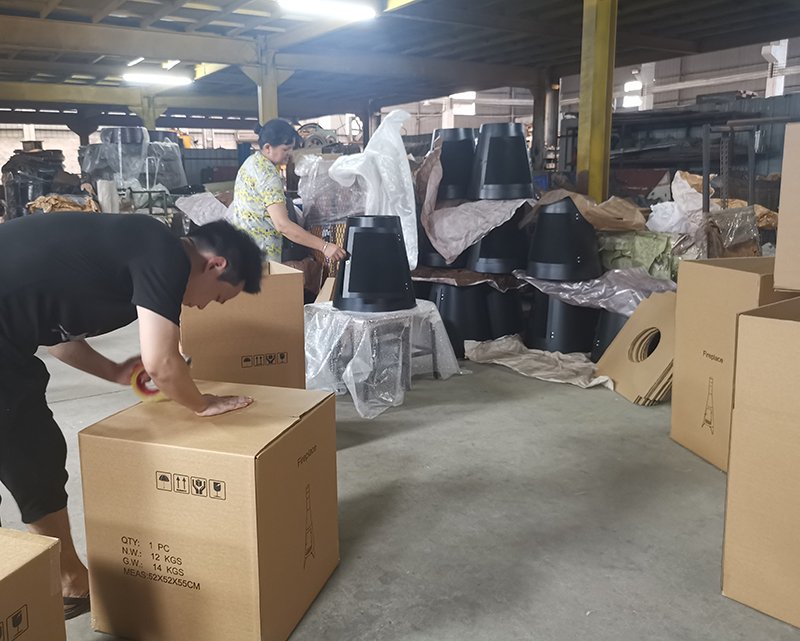
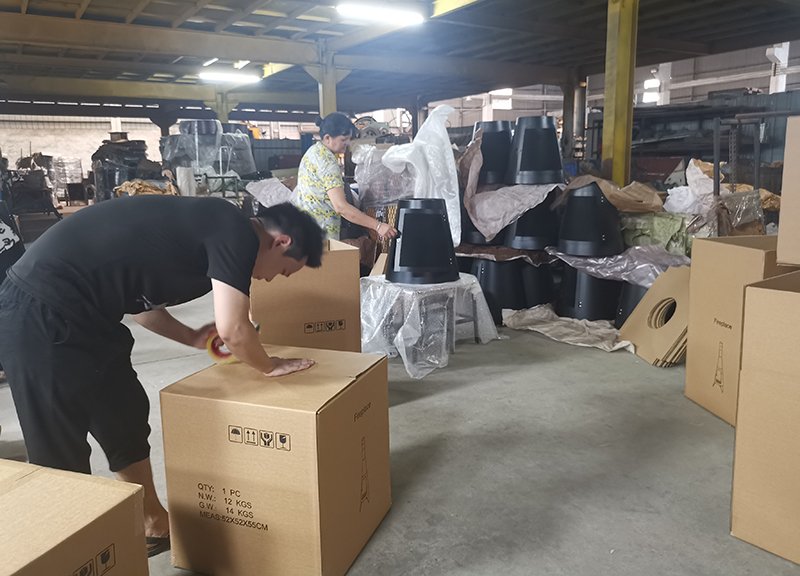
I will send you some production pictures and videos while produce products if you place an order in our factory. Update the order schedule to you and help you by providing efficient logistics management, timely delivery of goods, and resolving issues to ensure smoother transactions.


Regular Inspections and Audits
Regular inspections and audits are necessary to ensure that the factory continues to meet your quality standards. Schedule frequent inspections, both announced and unannounced, to review the production process and finished products. During audits, look for compliance with your specifications and overall production quality.
Third-Party Quality Inspections
Sometimes, it can be beneficial to hire third-party inspectors to conduct quality checks. Third-party inspections add an extra layer of assurance since these inspectors are unbiased and have no vested interest in the factory. They can provide an objective assessment of the product quality.
Effective Communication
Maintaining open lines of communication with the factory is crucial. Regular updates and feedback loops help address any issues promptly and ensure that the production process runs smoothly. Utilize communication tools like video calls, emails, and instant messaging to stay in touch with the factory.
Dealing with Quality Issues
Despite your best efforts, quality issues may still arise. It's important to have a plan in place for addressing these problems. Common quality issues might include material defects, incorrect dimensions, or poor workmanship. When issues arise, work closely with the factory to identify the root cause and implement corrective actions.
Building a Strong Relationship with the Factory
A strong, trusting relationship with the factory can go a long way in ensuring product quality. Treat the factory as a partner rather than just a supplier. Regular visits, fair negotiations, and prompt payments can help build a positive relationship that encourages the factory to prioritize your orders.
Utilizing Technology for Quality Assurance
Modern technology can greatly enhance your quality assurance efforts. Tools like digital inspections, real-time tracking systems, and automated testing can provide more accurate and efficient quality checks. Consider investing in these technologies to streamline your QA processes.
Final check before shipment
Rigorous testing at multiple stages of production, also we need to final check quality to ensure each grill meets our high standards before leaving the factory.
I will send you all detail as below before loading
1.- Photos of the whole product.
- Front and back side of the complete set or piece
- Front and back side of each piece
- All accessories and pieces included in the set or piece
- Logos on the product
- Capacity (if applies)
2.- Photos of product size in all angles.
3.- Photos of product Weight with and without packaging.
4.- Complete photos of packaging: user´s manual, inserts, color box, master box, importation label etc.
5.- Videos of functionality and use of the product.
6.- Pictures of spare part boxes inside and outside with correct label
7. Updated CI and PL
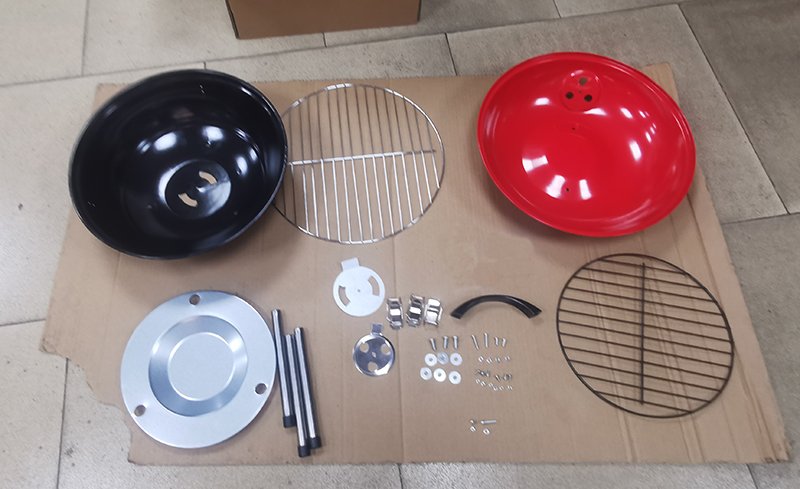
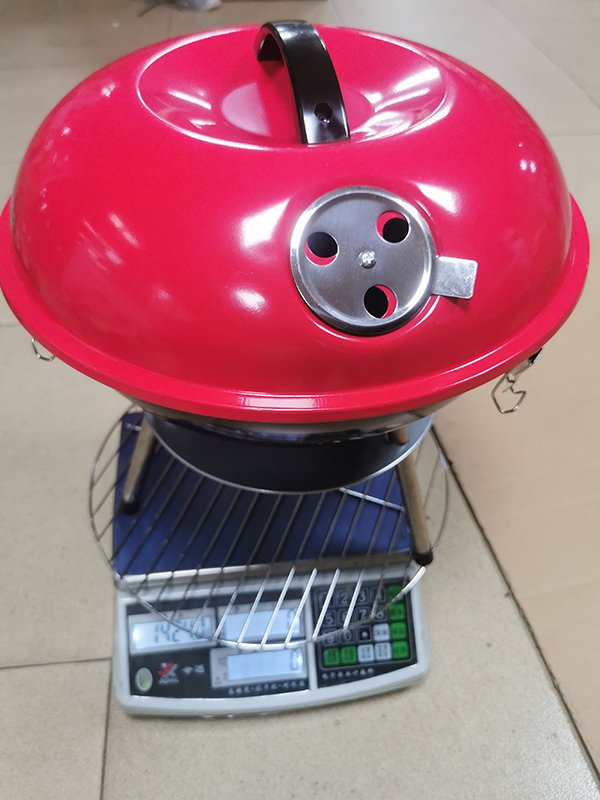
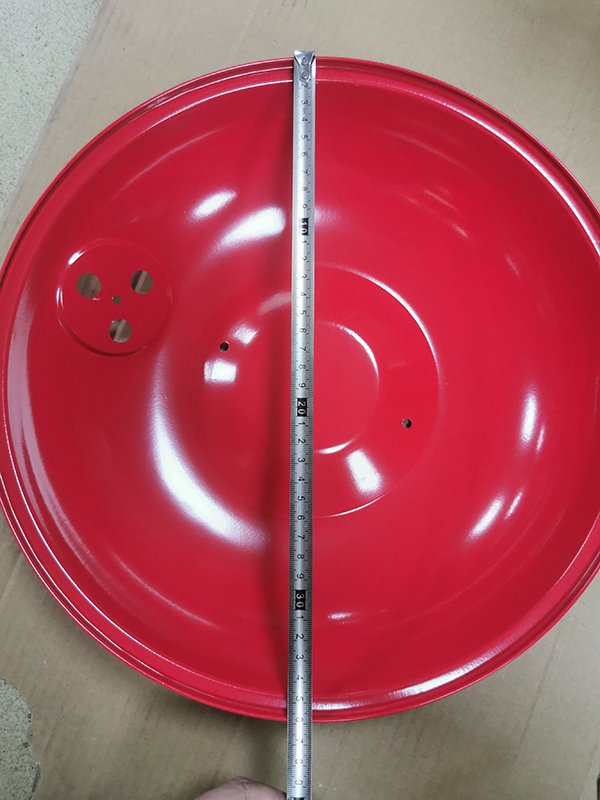
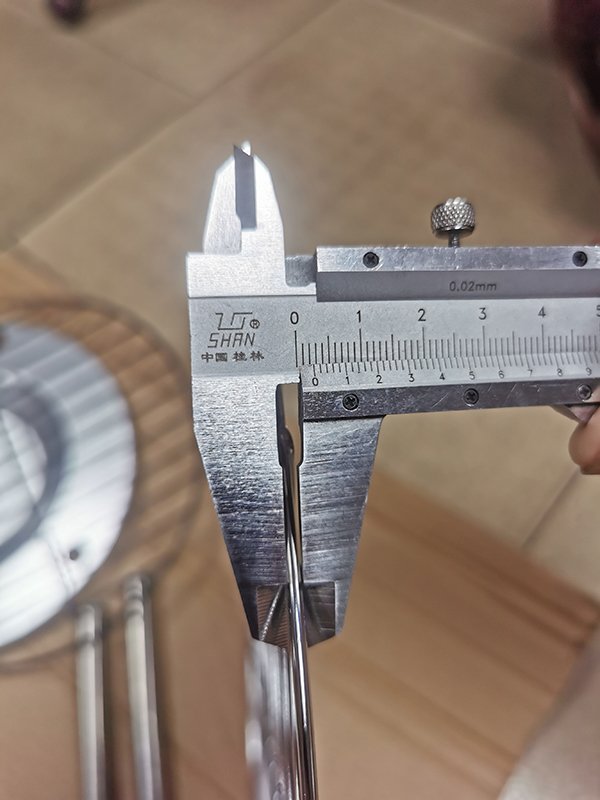
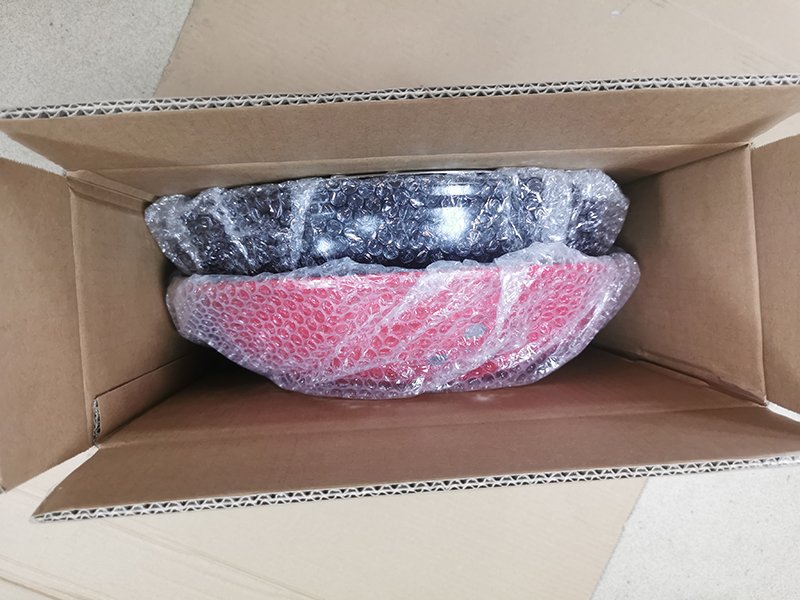
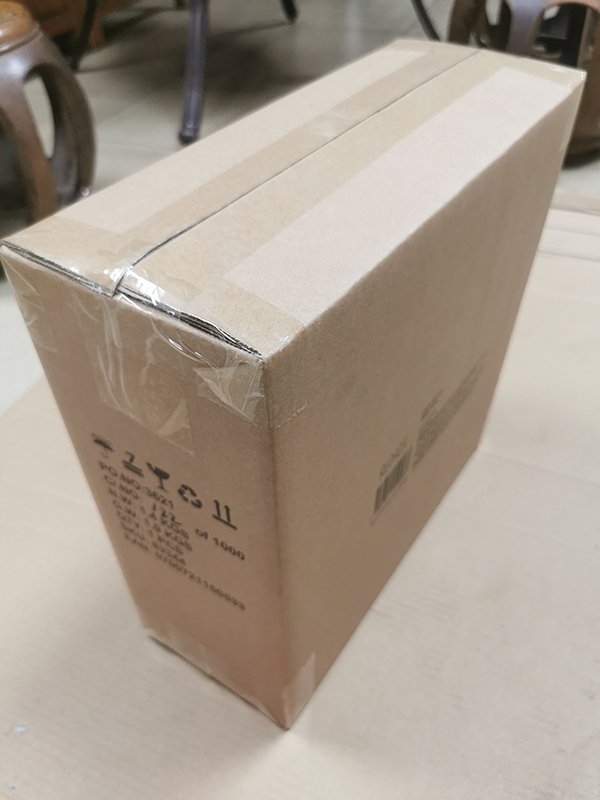
Also, I will send you loading pictures and video when we load the container.
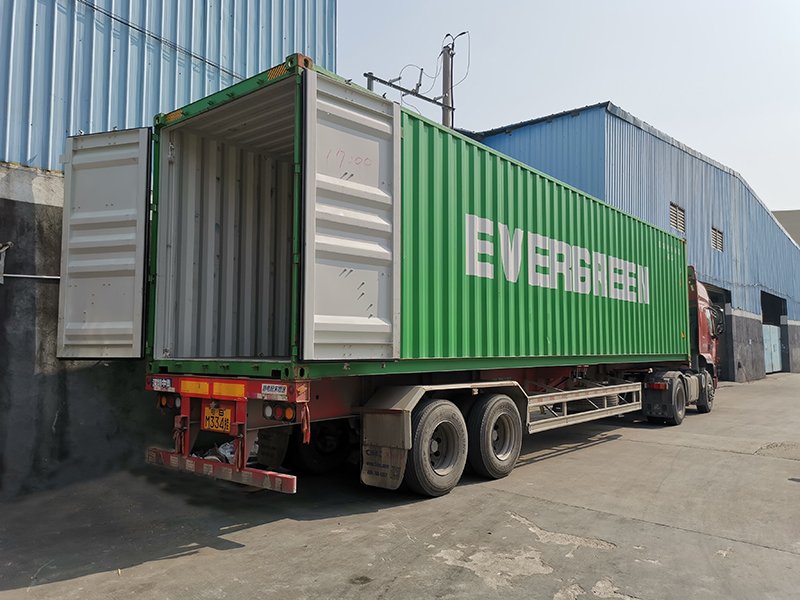


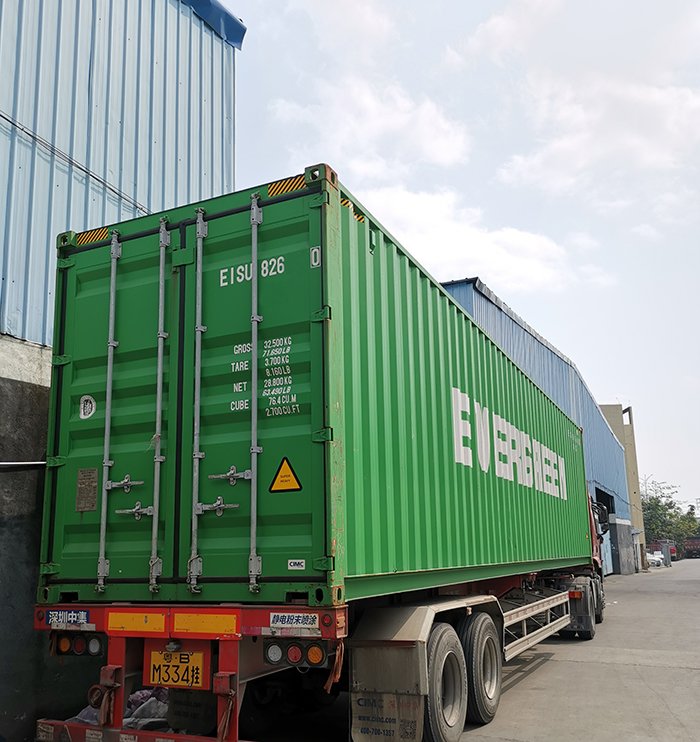
Conclusion
Ensuring the quality of charcoal grills ordered from a factory involves a combination of careful planning, clear communication, and regular quality checks. By following these steps, you can significantly reduce the risk of receiving subpar products and enjoy greater peace of mind with your orders.
FAQs
What should I look for in a charcoal grill factory?
Look for a factory with a solid reputation, positive reviews, and a track record of producing high-quality products. It's also beneficial to check for certifications and visit the factory if possible.
How often should I inspect the factory?
Regular inspections are crucial. Schedule both announced and unannounced inspections at different stages of the production process to ensure consistent quality.
What if I receive a defective batch?
If you receive a defective batch, communicate with the factory immediately to address the issue. Identify the root cause and work together to implement corrective measures.
Can I trust third-party inspectors?
Yes, third-party inspectors can provide an unbiased assessment of product quality. Ensure you hire reputable inspection services with good reviews and industry experience.
How can technology help in quality assurance?
Technology can streamline and enhance quality assurance processes through digital inspections, real-time tracking, and automated testing, making QA more accurate and efficient.
Please contact us if you interested in us
Introduction
Purchasing charcoal grills from BBQ grill manufacturers in wholesale quantities can be a lucrative venture for retailers and businesses. However, to ensure a successful transaction and acquire high-quality products, it's essential to follow a comprehensive checklist. In this guide, we'll explore the key steps you need to take before finalizing your purchase.
1. Research BBQ Grill Manufacturers
2. Types of BBQ grills they manufacture
5. Minimum Order Quantity (MOQ)
6. Review Safety Standards and Certifications
7. Consider Customization Options
8. Production Lead Time and Shipping
10. Communicate with Manufacturers
Conclusion
1. Research BBQ Grill Manufacturers
The first step in the wholesale procurement process is to research and identify reputable BBQ grill manufacturers. You could use the internet, google, LinkedIn, industry associations and exhibition etc to find manufacturer. Look for companies with a proven track record of producing high-quality grills and accessories. Consider factors such as industry experience, production capacity, and certifications.
2. Types of BBQ grills they manufacture
There are a lot of types of BBQ grills, including gas grill, electric grill, ceramic grill, charcoal grill and so on. Find out the factory producing barbecue grill products range. After you choose a charcoal grill factory, we also need to evaluate the range of charcoal grills offered by each manufacturer. Consider factors such as grill size, features, materials used, and pricing.
There are some of charcoal grill products range from YEENE BBQ grill manufacturer for reference.
1. Kettle charcoal grill
2. Charcoal portable grill
3. Charcoal barrel grill
4. Charcoal smoker
5. Offset smoker
6. Fire pit
7. Outdoor chiminea
8. Tripod grill
9. Chimney starter
If you are interested in above products, please feel free to contact they sales team. They will provide you the best price and sample.
3. Assess Product Quality
We know you really want a good and qualitative and save product. But before committing to a purchase, thoroughly assess the quality of the charcoal grills offered by different manufacturers. Examine the materials used in construction, such as stainless steel, carbon steel or cast iron, to ensure durability and longevity. Additionally, evaluate the overall design and performance of the grills to meet the expectations of your customers.
There are some charcoal grill product common details for your reference
1) Main material: carbon steel
2) Surface treatment: porcelain enamel/high temperature powder coating/high-heat paint
3) Cooking grid: carbon steel/stainless steel/cast iron
4) Adjustable air vents: aluminum alloy
5) Legs: stainless steel
6) Whether include thermometer
7) Manual in English/Spanish/German/so on
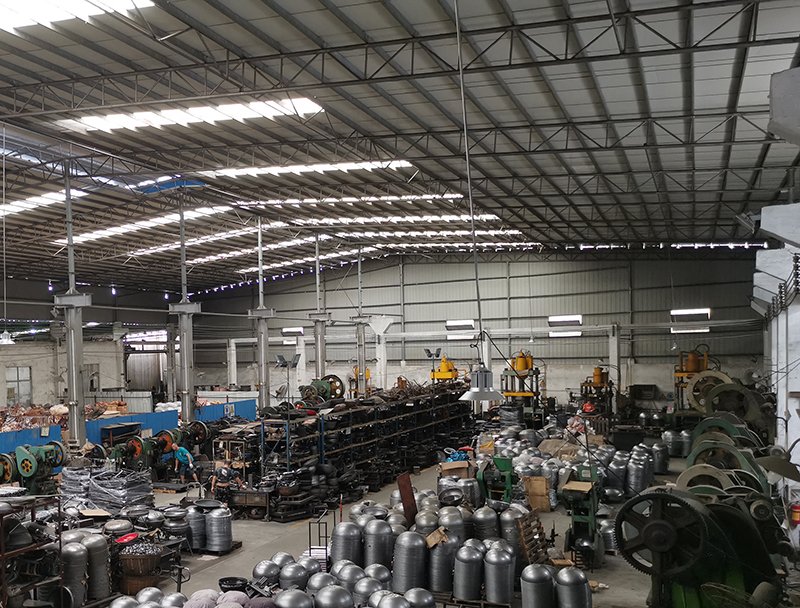
Yeene factory has own 10 professional QC with more 10 years AQL Lv.2 experience for barbecue grill inspection. From raw materials, tensile, stamping, finish, burning test, packaging drop test to assembly, testing every process has strict quality requirements and personnel. Ensuring every grill are in good quality.
Also, before shipment you could testing by your QC or conduct independent testing through QIMA and carry out a pre-shipment inspection. Testing is paid by your organization. So that ensure quality and every details.
4. Evaluate Pricing
Compare pricing among various BBQ grill manufacturers to find the best value for your investment. While cost is important, prioritize quality over price to avoid compromising on product integrity. Negotiate bulk discounts with manufacturers to maximize your savings without sacrificing quality.
You could let the charcoal grill supplier provide you price based on FOB and ladder quotation, for example:
Provide price based on your quantity, MOQ, 1000PCS, one 20FT container, one 40HQ container and so on.
Also, the price must be including product image, product description, sample cost, sample lead time, production lead time, cartons details, Qty/Container, port of loading, payment term, price validity etc.
Also, Evaluate the logistics cost for deference shipping methods and associated costs. Including import duties, customs clearance and so on.
5. Minimum Order Quantity (MOQ)
Inquire about the minimum order quantity required by each manufacturer. Ensure that the MOQ meets your business needs and storage capabilities. Please note provide quote on MOQ with LOGO or full color box.
YEENE can support one piece if we have stock. Also, we support low MOQ.
Please contact us if you are interested so we can send you our complete quotation which includes prices, MOQ, packaging, delivery time, Payment terms etc.
6. Review Safety Standards and Certifications
Safety should be a top priority when purchasing charcoal grills in wholesale quantities. Verify that the grills comply with industry safety standards and regulations to protect your customers and minimize liability risks. Work with factories certified by Sedex, BSCI, and/or ISO and products with certifications such as CE (EN1860) or REACH to ensure peace of mind. Ask factory for indicate whether they meet these standards. And let the them send you the certificates.
7. Consider Customization Options
Explore customization options offered by BBQ grill manufacturers to tailor the grills to your specific requirements. This may include developing new products, branding, color options, packing, LOGO, or additional features to differentiate your products in the market. Work closely with manufacturers to create customized solutions that align with your brand identity.
8. Production Lead Time and Shipping
Factor in shipping costs and logistics when planning your wholesale purchase of charcoal grills. Understand the lead times for production and delivery to coordinate your inventory management effectively and timely delivery ensures that you can meet customer demand. Anticipate any logistical challenges and make contingency plans to mitigate delays.
A. Peak season
You could do market research for peak season and low season for your product, so that you could know the best time to purchasing charcoal grills and prepared for your best stock availability.
The peak season is May to August for Europe marketing. You could ready the charcoal grills before March or April time. Our customers purchase products in August to April usually.
B. Production time
In general, it will take about 30 days to produce charcoal grill for one container in our production low season (January to July). And the delivery time will be 40-45 days in production peak season (August to December).
C. Shipping time
It will take about 25-30 days if by ship, but some country will be fast. it is depending on China to your country destination port.
9. Examine Payment Terms
Negotiate favorable payment terms with BBQ manufacturers to optimize your cash flow and financial flexibility. Discuss options such as T/T, L/C, or discounts for early payment to find a mutually beneficial arrangement. Clarify the accepted payment methods and any associated fees or charges.
There are some of common payment terms.
1) By T/T, 30% advance payment, 70% balance before delivery.
2) L/C
3) D/P
4) D/A
5) O/A
6) Paylpay
7) Western Union
10. Communicate with Manufacturers
Establish clear communication channels with BBQ manufacturers to address any questions or concerns you may have. Build a rapport with your contacts at the manufacturing company to facilitate smooth collaboration throughout the procurement process. Keep lines of communication open to resolve issues promptly and ensure a positive experience.
YEENE as a 18 year experiences charcoal grill manufacturer, we have our own customer service to following up your order. They will update production information to you, timely delivery of goods and help you resolving issues to ensure smoother transactions.
Conclusion
In conclusion, a thorough wholesale checklist is essential for successfully purchasing charcoal grills from BBQ manufacturers. By following the key steps outlined in this guide, you can ensure that you acquire high-quality products that meet the needs of your customers. Prioritize research, communication, and collaboration to optimize your procurement process and achieve long-term success in the barbecue industry.
FAQs:
1. Can I trust all BBQ manufacturers to deliver quality products?
While many BBQ manufacturers uphold high standards, it's essential to research and vet potential suppliers before making a purchase. And you could let the manufacturer send you sample to check the quality.
2. What should I do if I encounter issues with my grill after purchase?
Contact the manufacturer's customer support for assistance, timely feedback product quality issues, send product picture of quality problems and videos to them for quality issue solving.
3. How can I ensure timely delivery of my wholesale order?
Communicate clearly with the manufacturer about your delivery expectations and work together to establish a realistic timeline.
4. Are there any additional costs associated with wholesale purchases?
In addition to the cost of the grills, consider expenses such as shipping, taxes, and import duties when budgeting for your purchase.
5. What are the benefits of customizing charcoal grills?
Customization allows you to differentiate your products, strengthen your brand identity, and cater to specific customer preferences.
Ready to elevate your product offerings with high-quality charcoal grills? Follow our comprehensive checklist to ensure a seamless wholesale purchase from top BBQ manufacturers. Don’t miss out on maximizing your business potential. Start your journey to better grilling today!
Supplying Success: How Our Production Meets the Needs of Charcoal Grill Wholesalers
Introduction
In the dynamic world of outdoor cooking, charcoal grills remain a timeless favorite among consumers. Behind the scenes, however, lies a complex network of suppliers and manufacturers striving to meet the demands of wholesalers. In this article, we delve into the strategies and processes that ensure our production meets the unique needs of charcoal grill wholesalers, ultimately contributing to their success.

Understanding the Needs of Charcoal Grill Wholesalers
Charcoal grill wholesalers operate in a competitive market where quality, reliability, and timely delivery are paramount. Understanding their specific requirements is essential to forging successful partnerships. Wholesalers seek durable, good price, high-quality products that can withstand varying climates and usage conditions.
Efficient Production Processes
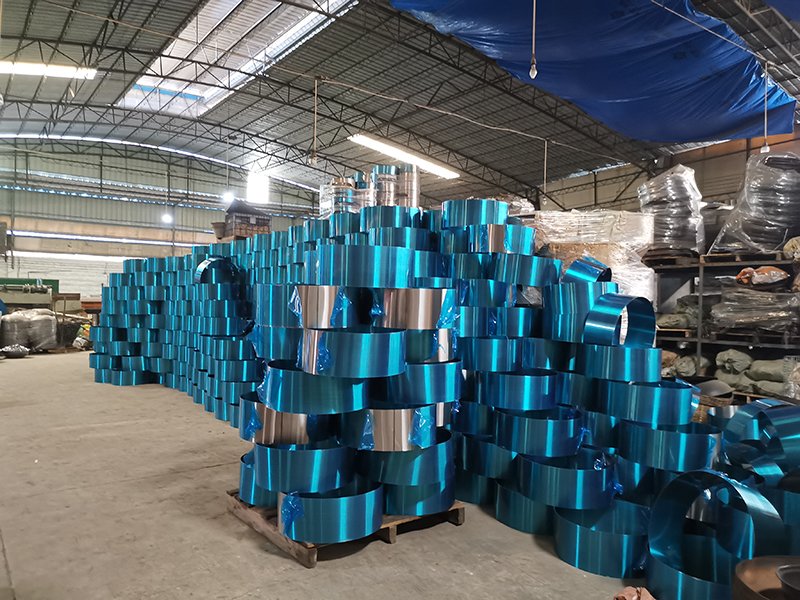
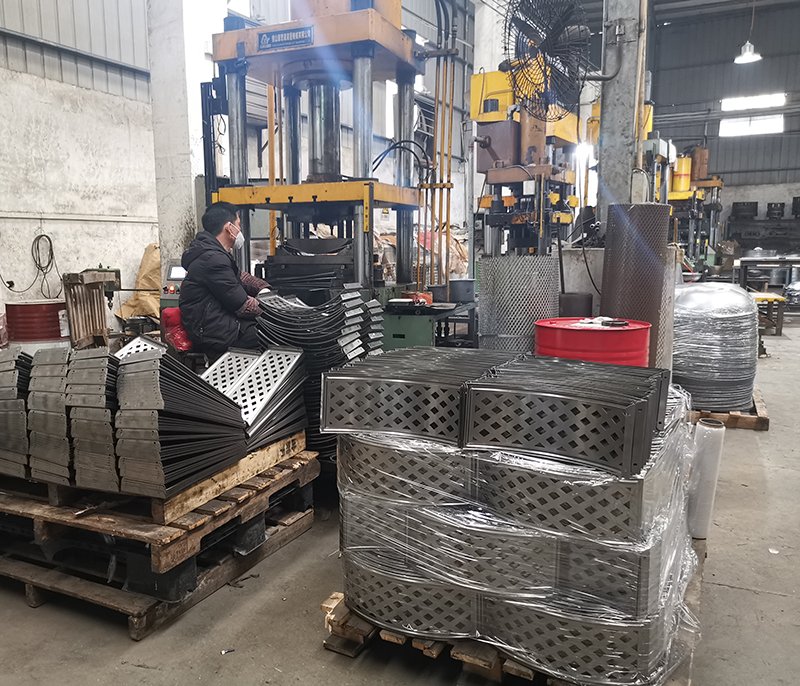
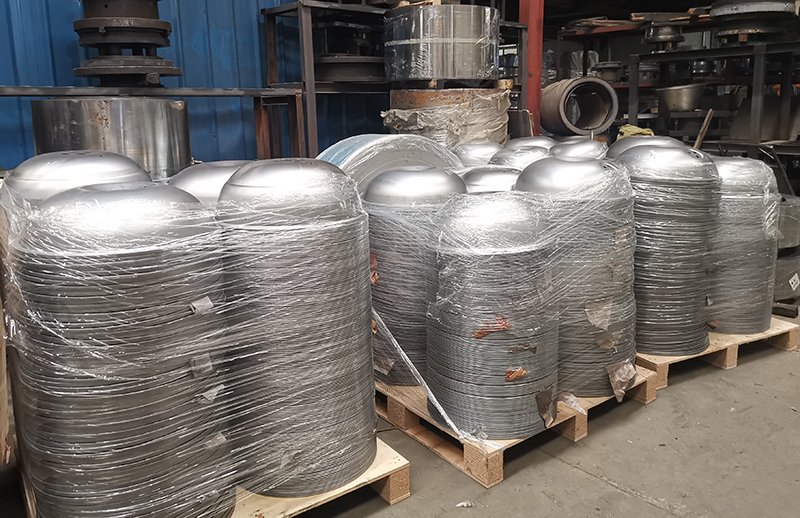
Delivery time about 30 working days for one 20FT container. Efficiency is the backbone of our production operations. Our factory has 130 machines and coating production line for charcoal grill production. By leveraging cutting-edge technology and lean manufacturing principles, we optimize every step of the production process. From sourcing raw materials to assembly and packaging, our streamlined approach ensures swift turnaround times without compromising on quality.
Quality Control Measures
Quality control is ingrained in every facet of our production. Rigorous testing protocols are implemented at each stage to uphold the highest standards of craftsmanship. Our commitment to quality assurance guarantees that every charcoal grill that leaves our facility exceeds industry benchmarks.
After finish production, our staff will send you testing pictures and videos to check our quality before shipment.
And The product must comply with EU regulations on CE and REACH. Also, some of our customer will conduct independent testing through QIMA and carry out a pre-shipment inspection. Testing is paid by customer
Customization Options
Recognizing the diverse needs of wholesalers, we offer a range of customization options. Whether it's branding, sizing, packing or additional features, our flexible approach allows wholesalers to tailor products to their specific market preferences.
Our factory has 10 engineers working closely with you, they will study the cooking trend, using habits and features of your marketing.
Timely Delivery Strategies
We understand the importance of punctuality in meeting market demands. Our logistics staff stay tuned for updates on the shipping routes and minimize lead times. Through strategic partnerships with trusted carriers, we ensure that orders are delivered promptly and efficiently.
Customer Support and Communication
Effective communication is the cornerstone of our customer support strategy. Our dedicated team is available around the clock to address inquiries, provide updates, production schedule of your order and resolve any issues that may arise. We believe in fostering transparent and open communication channels to build trust and loyalty with our wholesalers.
Building Long-Term Relationships
We view our relationships with wholesalers as long-term partnerships rather than transactional exchanges. By prioritizing mutual respect, transparency, and collaboration, we lay the foundation for enduring relationships built on trust and reliability.
Market Trends and Adaptability
The charcoal grill industry is constantly evolving, driven by shifting consumer preferences and technological advancements. We stay ahead of the curve by closely monitoring market trends and investing in research and development. Our commitment to innovation ensures that we remain adaptable and responsive to changing market dynamics.
Sustainability Initiatives
As stewards of the environment, we recognize the importance of sustainable practices in production. From eco-friendly materials to energy-efficient manufacturing processes, we are committed to minimizing our ecological footprint. Our sustainability initiatives align with the growing demand for environmentally conscious products in the market.
Competitive Pricing Strategies
Competitive pricing is essential to maintaining our edge in the market. We offer EXW, FOB and CIF prices and so on. We strike a delicate balance between affordability and quality, offering competitive pricing without compromising on the integrity of our products. Our transparent pricing structure ensures that wholesalers receive exceptional value for their investment.
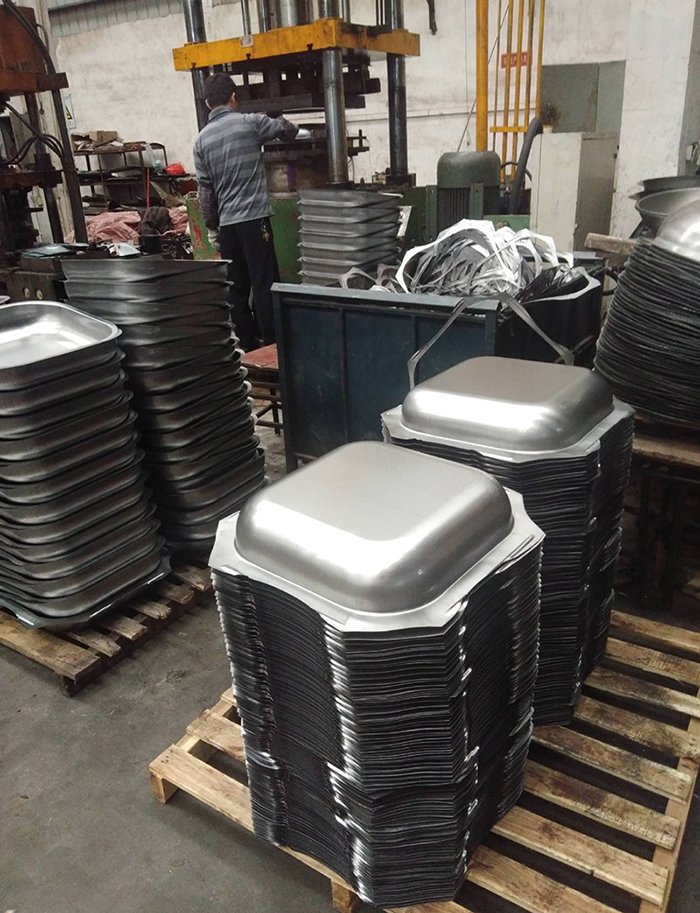
Case Studies: Success Stories
Our track record speaks for itself. Through collaborative partnerships with charcoal grill wholesalers, we have achieved remarkable success stories. By aligning our production capabilities with their unique needs, we have helped them expand their market reach and drive profitability.
Future Outlook and Growth Opportunities
Looking ahead, we see endless possibilities for growth and innovation in the charcoal grill market. By staying attuned to consumer preferences and embracing emerging technologies, we are poised to capitalize on new opportunities and solidify our position as a leader in the industry.
Conclusion
In conclusion, supplying success to charcoal grill wholesalers requires more than just manufacturing prowess—it demands a deep understanding of their needs, unwavering commitment to quality, and a dedication to fostering long-term partnerships. By embodying these principles, we ensure that our production not only meets but exceeds the expectations of wholesalers, driving mutual growth and prosperity.
FAQs
1. What sets your production process apart from others in the industry?
Our production process is distinguished by its efficiency, quality control measures, and commitment to customization, ensuring that we deliver exceptional value to our wholesalers.
2. How do you ensure the quality of your charcoal grills?
Quality control is integral to our production process. We employ stringent testing protocols and adhere to industry standards to guarantee the durability and reliability of our products.
3. Can you accommodate specific customization requests from wholesalers?
Absolutely. We offer a range of customization options to meet the unique needs of our wholesalers, including branding, sizing, packing and additional features.
4. What is your average turnaround time for orders?
About 30 working days for one 20FT container. Our turnaround time varies depending on the scope of the order and current demand. However, we strive to expedite orders without compromising on quality, ensuring timely delivery to our wholesalers.
5. Do you offer discounts for bulk orders?
Yes, we provide competitive pricing for bulk orders, allowing wholesalers to maximize their purchasing power and achieve greater cost savings.
We have helped many barbecue grill brands and factories to generate billions of dollars in revenue. The next success story could be yours. Get in touch with us today to discover how we can assist you!
Charcoal grills are a popular choice for outdoor cooking enthusiasts due to their distinct flavor and versatility. While there are various shapes and designs available, round charcoal grills hold a unique charm and offer specific advantages.
1. Benefits of Round Charcoal Grills
2. Understanding the Manufacturing Process
3. Steps to Manufacture a Round Charcoal Grill
As you know, a lot of charcoal grills in round, like kettle grill, smoker and fire pit. Why are they in round? Because the round design allows the charcoals in a central point, it can distribute heat uniformly from a central point and used to maximize the heat out of the charcoal when you grill. Their circular shape allows for better circulation of heat and smoke, resulting in perfectly cooked meals with that signature smoky flavor.
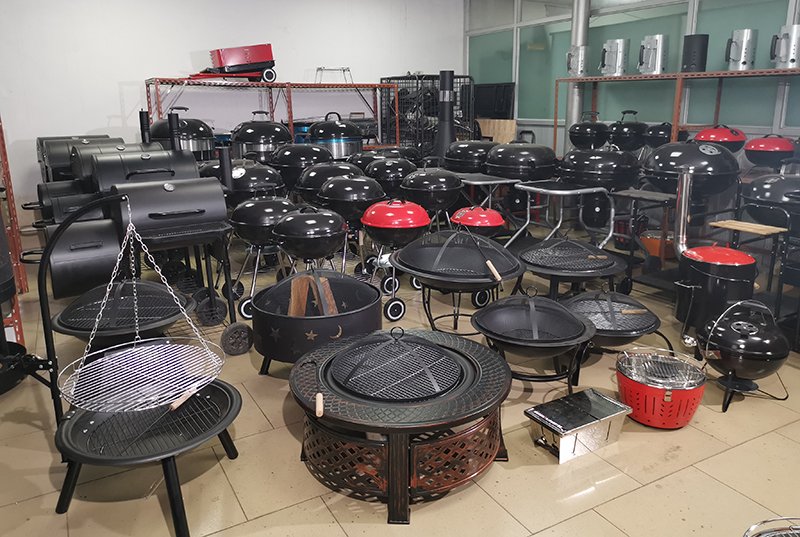
Actually, A lot of round charcoal grill produce by stretching to make it in round. After stretching will do porcelain enamel on the surface. Then you will get a smooth and wrinkle-free contours charcoal grill from manufacturer.
Manufacturing a round charcoal grill involves several steps, from purchase materials to assembling the final product. Understanding this process is crucial for producing high-quality grills.
Materials Required
Most of charcoal grill uses carbon steel to produce it. Because this material is lightweight, durable, and heats up and cools down much are quickly.
Design Considerations
Before diving into the manufacturing process, it's essential to have a clear design in mind. Consider factors such as size, shape, ventilation system, and additional features like side tables or ash catchers.
Step 1: Designing the Grill
Based on customer’s design considerations, create a detailed CAD drawings and 3D drawings for the grill's construction. Decide on dimensions, ventilation system placement, and any additional features customer wish to incorporate.
Step 2: Purchase Materials
After confirmed the drawings by both, we will purchase all the necessary materials and accessories required for the manufacturing process. Our QC will check all raw materials after when we receive it. Ensure that we have high-quality materials that can withstand the rigors of outdoor cooking.
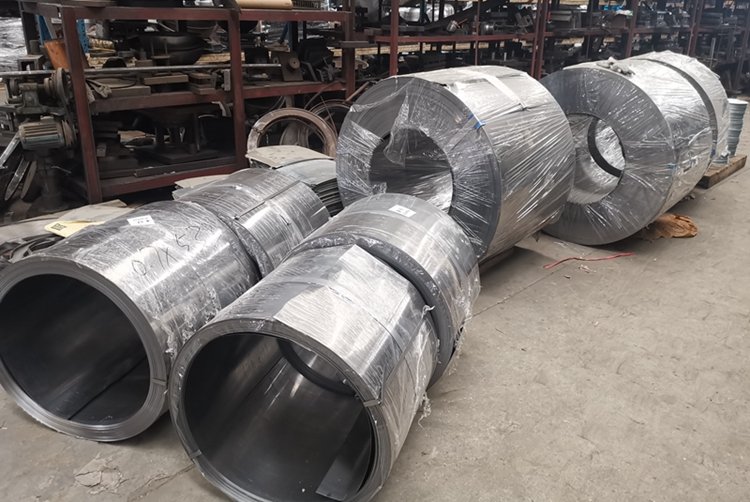
Step 3: Fabricating the Grill Body
Fabricate the bowl and lid of the grill. Cut a square on the raw material, then cut round shape sheet according to your design specifications, ensuring precision and accuracy. After that, stretching it in round by tensile machine. But note the raw material will thin about 0.1mm after stretching. For example, if your raw material thickness is 1.0mm, it will become about 0.9mm after tensile.
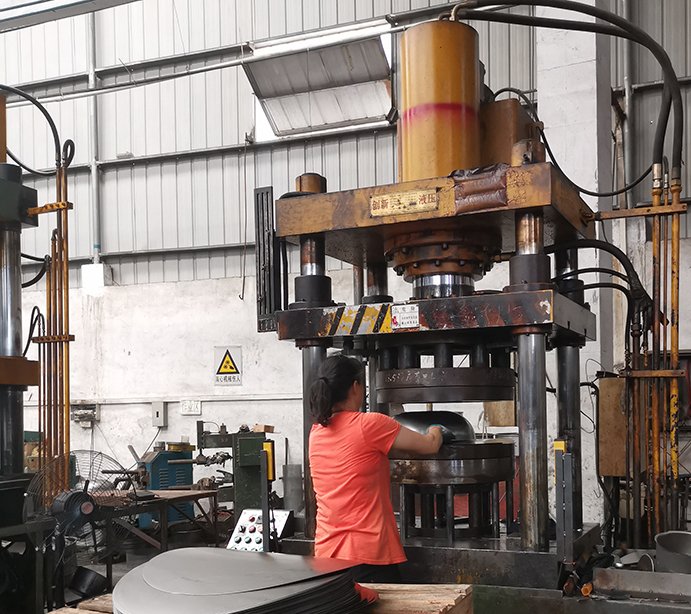
After tensile, we need to do smooth without burr, curl bending and punching etc.
Step 4: Making Surface treatment
Once the grill is fabricated, add any finishing touches such as porcelain enamel or coatings to enhance its appearance and protect it from corrosion.
Step 5: Assembling the Components
Assemble the various components of the grill to test, including the cooking grates, handles, and ventilation system. Weld or fasten these parts together securely, ensuring stability and durability.
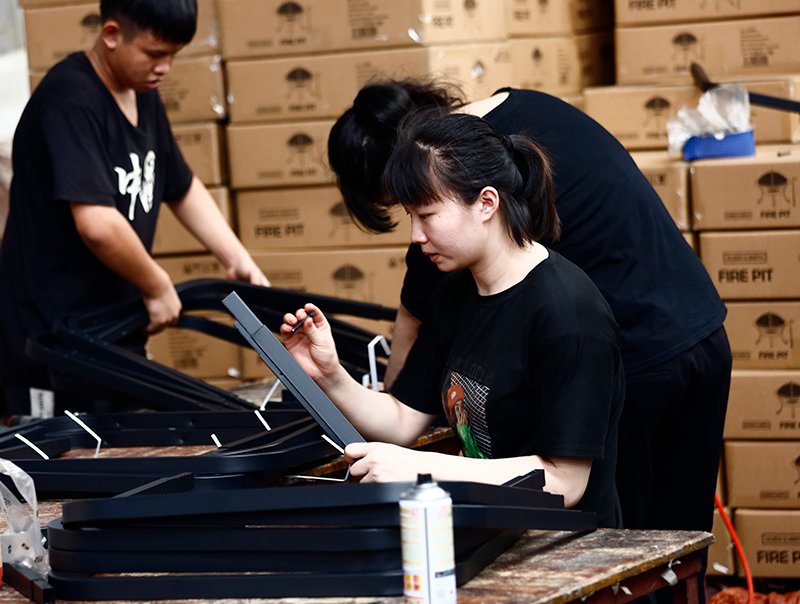
Before releasing the grill to the market, conduct rigorous testing to ensure its performance and durability. And our QC will do a burning test to make sure high temperature resistance of surface treatment and quality. Also, test for heat distribution, airflow efficiency, and overall functionality to guarantee customer satisfaction.
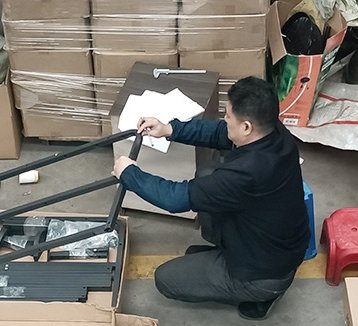
Conclusion
Manufacturing a round charcoal grill requires careful planning, precision, and attention to detail. By Our manufacturing experience and prioritizing quality and service, we can create a superior product that delights outdoor cooking enthusiasts.
FAQs
1. Can I customize the design of my round charcoal grill?
Yes, you can customize the design of your charcoal grill according to your drawing, sample and requirements. Many manufacturers offer custom fabrication services to accommodate customer’s needs.
2. What materials are best for constructing a charcoal grill?
Steel and cast iron are popular choices for constructing charcoal grills due to their durability and heat retention properties. However, other materials like aluminum or ceramic can also be used depending on specific design preferences.
3. How long does it take to manufacture charcoal grill?
The manufacturing time for a round charcoal grill can vary depending on factors such as complexity, size, and production capacity. On average, it may take 10-20 days to make new molds and sample. Mass production time about 30-35 days. So it will take about 40-50 days to complete the entire process from start to finish.
4. Are round charcoal grills suitable for professional use?
Yes, round charcoal grills can be used for both residential and professional cooking applications. Their efficient heat distribution and versatile design make them suitable for various culinary tasks, from backyard barbecues to catering events.
5. How can I maintain my round charcoal grill for longevity?
To ensure the longevity of your round charcoal grill, clean it regularly after each use, and store it in a dry, sheltered location when not in use. Periodically inspect the grill for any signs of damage or wear and tear, and address any issues promptly to prevent further deterioration.
Contact us if you are interested in customized charcoal grill.
Brief overview of electric and charcoal grills.
2. Functionality of Electric Grills
How electric grills work.
Advantages and disadvantages.
3. Functionality of Charcoal Grills
How charcoal grills work.
Advantages and disadvantages.
Electric grill heat control mechanisms.
Charcoal grill heat control methods.
Impact of electric grills on flavor.
Flavor characteristics of charcoal-grilled food.
6. Convenience and Portability
Ease of use and portability of electric grills.
Considerations for charcoal grill portability.
Initial cost and ongoing expenses for electric grills.
Cost considerations for charcoal grills.
Environmental implications of electric grill usage.
Considerations regarding charcoal grill emissions.
Maintenance requirements for electric grills.
Cleaning process for charcoal grills.
Cooking options and versatility of electric grills.
Flexibility and versatility of charcoal grills.
Safety features of electric grills.
Safety precautions for charcoal grills.
Top electric grill brands and models.
Notable charcoal grill brands and models.
Customer reviews and experiences with electric grills.
Feedback and testimonials from charcoal grill users.
Factors to consider when choosing between electric and charcoal grills.
Summarize key differences and considerations for choosing between electric and charcoal grills.
What's the Difference Between an Electric Grill and a Charcoal Grill?
When it comes to grilling, the debate between electric and charcoal grills has long been a topic of contention among barbecue enthusiasts. Each type of grill comes with its own set of advantages and disadvantages, making the decision between them a matter of personal preference and practicality. In this article, we'll delve into the nuances of electric and charcoal grills, exploring their functionality, flavor differences, convenience factors, cost considerations, environmental impacts, maintenance requirements, safety features, and more. So, let's fire up the grill and uncover the differences between these two popular cooking methods.
Functionality of Electric Grills
Electric grills operate by using electricity to heat up a cooking element, typically a metal coil or infrared heating element. These grills are designed for indoor or outdoor use and are popular among urban dwellers or those living in areas where open flames are restricted. One of the main advantages of electric grills is their ease of use – simply plug them in, and they're ready to cook. However, they may lack the smoky flavor imparted by charcoal grills, which could be considered a downside for some barbecue purists.

Functionality of Charcoal Grills
On the other hand, charcoal grills rely on charcoal briquettes or lump charcoal as their primary fuel source. These grills require manual ignition and preheating, but they offer the benefit of achieving higher temperatures, which is ideal for searing meats and achieving that classic grilled flavor. Charcoal grills are favored by many barbecue aficionados for their ability to impart a smoky taste to food, elevating the grilling experience to new heights.
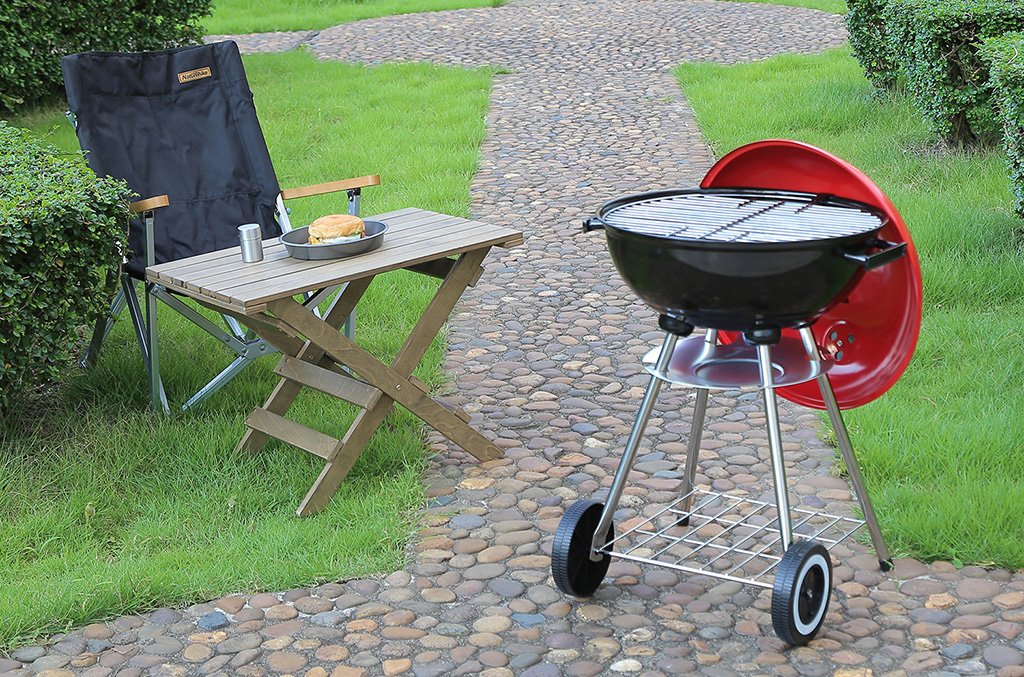
Heat Control
Electric grills typically feature adjustable temperature controls, allowing users to easily regulate the heat level according to their cooking needs. In contrast, controlling the heat on a charcoal grill requires more finesse and skill, as it involves adjusting the airflow to maintain the desired temperature. While electric grills offer precise temperature control, some argue that the natural variability of charcoal grills adds to the charm of outdoor cooking.
Flavor Differences
One of the most significant differences between electric and charcoal grills is the flavor profile they impart to food. Electric grills tend to produce a cleaner, more neutral taste, as they don't generate smoke or combustion byproducts. In contrast, charcoal grills infuse food with a rich, smoky flavor that is characteristic of traditional barbecue cuisine. For many grill enthusiasts, this distinctive flavor is an integral part of the grilling experience and cannot be replicated with electric grills.
Convenience and Portability
When it comes to convenience and portability, electric grills have the upper hand. They are lightweight, compact, and easy to transport, making them suitable for small outdoor spaces, balconies, or camping trips. Additionally, electric grills can be used indoors, providing a grilling solution year-round, regardless of the weather conditions. On the other hand, charcoal grills are bulkier and require more effort to set up and transport, but they offer the authentic outdoor grilling experience that many enthusiasts crave.
Cost Comparison
In terms of cost, electric grills are generally more affordable upfront compared to charcoal grills. Additionally, they require minimal maintenance and consume less fuel, resulting in lower operating costs over time. However, charcoal grills have the advantage of being readily available and cost-effective to operate, as charcoal briquettes are relatively inexpensive. Ultimately, the cost considerations will depend on factors such as frequency of use, fuel expenses, and personal budget constraints.
Environmental Impact
From an environmental standpoint, electric grills are often perceived as more eco-friendly than charcoal grills. They produce fewer emissions and do not contribute to deforestation, as charcoal production involves the burning of wood. However, electric grills rely on electricity, which may be generated from non-renewable sources, such as coal or natural gas. Charcoal grills, while less energy-efficient, utilize a renewable resource (wood) and have a lower carbon footprint when sustainably sourced.
Maintenance and Cleaning
When it comes to maintenance and cleaning, electric grills have the edge over charcoal grills. Electric grills are easy to clean, with removable grates and drip trays that can be washed with soap and water. In contrast, charcoal grills require more effort to clean, as ash and grease buildup must be manually removed from the grill grates and ash catcher. Additionally, electric grills typically have fewer mechanical parts, reducing the likelihood of maintenance issues.
Versatility
Electric grills offer versatility in terms of cooking options, as they can be used for grilling, roasting, and even smoking foods. Many electric grills come with additional features such as temperature probes, rotisserie attachments, and adjustable cooking surfaces, allowing users to customize their grilling experience. On the other hand, charcoal grills excel in imparting a smoky flavor to food and are well-suited for traditional barbecue dishes such as ribs, brisket, and pulled pork.
Safety Considerations
Safety is a crucial factor to consider when choosing a grill, especially for indoor use. Electric grills are generally considered safer than charcoal grills, as they do not produce open flames or emit potentially harmful gases such as carbon monoxide. Additionally, electric grills often come with built-in safety features such as automatic shutoff if the grill overheats or tips over. However, users should still exercise caution when operating electric grills, especially when using them in confined spaces or near flammable materials.
On the other hand, charcoal grills pose certain safety risks due to the open flame and combustion process involved in charcoal combustion. It's essential to place charcoal grills on stable surfaces away from combustible materials and to monitor them closely while in use. Additionally, proper ventilation is crucial to prevent the buildup of carbon monoxide, which can be lethal if inhaled in high concentrations.
Popular Brands and Models
In the realm of electric grills, brands like George Foreman, Weber, and Hamilton Beach are well-known for their quality and reliability. These brands offer a range of electric grill options, from compact tabletop models to larger freestanding units with advanced features.
For charcoal enthusiasts, iconic brands such as Weber, Char-Broil, and Kamado Joe dominate the market. These brands offer a variety of charcoal grill styles, including kettle grills, kamado grills, and barrel grills, catering to different cooking preferences and budgets.
YEENE charcoal grill manufacturer also good, we are from China, and sell a lot of bbq grill to global every year. we can manufacture according to your drawing or sample if you want to wholesale charcoal grill or custom your brand. Contact our team to start your business.
User Experience
When it comes to user experience, opinions vary widely depending on individual preferences and cooking habits. Some users appreciate the convenience and consistency of electric grills, while others swear by the authentic flavor and experience of cooking over charcoal.
Electric grill users often praise the ease of use, quick preheating times, and precise temperature control offered by electric models. They also appreciate the ability to grill indoors without the hassle of dealing with charcoal or propane tanks.
On the other hand, charcoal grill enthusiasts relish the ritual of lighting charcoal, tending to the fire, and imparting that unmistakable smoky flavor to their food. Many find the hands-on approach to charcoal grilling therapeutic and enjoy the social aspect of gathering around a charcoal grill with friends and family.
Choosing the Right Grill
Ultimately, the decision between an electric grill and a charcoal grill comes down to personal preference, lifestyle factors, and cooking priorities. Here are some key factors to consider when choosing the right grill for your needs:
1. Flavor Preference: If you prioritize smoky flavor and authenticity, a charcoal grill may be the way to go. However, if you prefer cleaner, more neutral-tasting food, an electric grill might be a better fit.
2. Convenience vs. Tradition: Electric grills offer convenience and ease of use, making them ideal for quick weekday meals or indoor grilling. Charcoal grills, on the other hand, embody the time-honored tradition of outdoor cooking and may appeal to those seeking a more rustic grilling experience.
3. Space and Portability: Consider your living situation and outdoor space limitations. Electric grills are well-suited for apartment balconies, small patios, and indoor use, while charcoal grills require more space and ventilation.
4. Budget and Operating Costs: Take into account the initial cost of the grill, as well as ongoing expenses such as fuel and maintenance. Electric grills are typically more affordable upfront and have lower operating costs, but charcoal grills may offer better value over time, especially for frequent grillers.
5. Environmental Impact: If sustainability is important to you, consider the environmental implications of your grill choice. While electric grills may be perceived as more eco-friendly due to their lower emissions, charcoal grills can be sustainable if charcoal is sourced responsibly from renewable forests.
Conclusion
In conclusion, the choice between an electric grill and a charcoal grill boils down to personal preference, lifestyle considerations, and cooking priorities. Electric grills offer convenience, ease of use, and versatility, making them suitable for indoor and outdoor grilling alike. However, charcoal grills provide an authentic grilling experience, complete with smoky flavor and traditional charm. Whether you're a novice griller looking for simplicity or a seasoned pitmaster seeking authenticity, there's a grill out there to suit your needs.
Frequently Asked Questions (FAQs)
1. Can I use an electric grill indoors?
Yes, electric grills are designed for indoor use and can be safely used in well-ventilated areas such as kitchens or balconies.
2. Do electric grills produce smoke?
Electric grills do not produce smoke during the cooking process, as they rely on electric heating elements rather than combustion.
3. Are charcoal grills more difficult to clean?
Charcoal grills require more thorough cleaning due to ash and grease buildup, but with proper maintenance, they can be kept clean and functional.
4. Which type of grill is better for beginners?
Electric grills are often recommended for beginners due to their ease of use, quick preheating times, and precise temperature control.
5. Can I achieve the same flavor with an electric grill as with a charcoal grill?
While electric grills offer convenience and consistency, they may not replicate the smoky flavor imparted by charcoal grills. However, some electric models come with features designed to mimic the flavor of traditional grilling.
What's the difference between a gas grill and a charcoal grill?
Grilling has become a beloved culinary tradition, bringing people together over delicious, smoky flavors. When it comes to choosing a grill, the debate between gas and charcoal options has been a longstanding one. Each has its unique characteristics, catering to different preferences and cooking styles. In this article, we'll explore the differences between gas and charcoal grills, helping you make an informed decision for your grilling adventures.
Gas Grills: A Closer Look
Gas grills have gained immense popularity for their convenience and efficiency. They offer a quick and easy way to start grilling, with the ability to control the temperature precisely. The advantages of gas grills include their user-friendly nature, making them an excellent choice for beginners. Additionally, the consistent heat distribution allows for even cooking, reducing the risk of undercooked or overcooked food.
Charcoal Grills: Unveiling the Traditional Approach
On the other hand, charcoal grills provide a more traditional grilling experience, appealing to enthusiasts who appreciate the art of charcoal-infused flavors. The distinctive taste produced by charcoal grills is unmatched, giving grilled food a unique smokiness. However, mastering the art of charcoal grilling requires patience and practice, as controlling the temperature can be more challenging compared to gas grills.
Flavor Matters: Gas vs. Charcoal
One of the key considerations when choosing between gas and charcoal grills is the impact on food flavor. Gas grills, powered by propane or natural gas, provide a clean and consistent heat source but may lack the smoky essence that charcoal imparts. Charcoal grills, on the other hand, are celebrated for the rich, authentic barbecue flavor they add to the food.
Cost Considerations
When it comes to cost, gas grills tend to have a higher initial investment. However, the ongoing costs, including fuel expenses, can be more economical in the long run. Charcoal grills, although generally more affordable upfront, may incur higher expenses over time due to the need for charcoal and additional accessories.
Environmental Impact
Environmental considerations play a role in the gas vs. charcoal debate. Gas grills are often perceived as more environmentally friendly, producing fewer emissions and reducing the overall carbon footprint. Charcoal grills, relying on charcoal briquettes or lump charcoal, have a greater impact on the environment due to the production process and the release of carbon dioxide.
Versatility in Cooking
The choice between gas and charcoal also depends on the type of food you love to grill. Gas grills offer versatility, making them suitable for various cooking styles, including searing, roasting, and indirect cooking. Charcoal grills excel in providing the perfect conditions for slow cooking and smoking, enhancing the flavors of meats and other dishes.
Maintenance and Cleaning
Maintaining your grill is essential for its longevity and performance. Gas grills are relatively easy to clean, with removable grates and minimal ash residue. Charcoal grills, however, require more thorough cleaning, as ash buildup can affect the airflow and temperature control. Regular maintenance ensures both types of grills function optimally.
Grilling Techniques: Gas vs. Charcoal
Both gas and charcoal grills offer unique grilling techniques. Gas grills are excellent for high-heat cooking, perfect for achieving a sear on steaks and burgers. Charcoal grills, with their indirect heat capabilities, are ideal for slow-cooking ribs, briskets, and other meats. Understanding these techniques allows you to unleash the full potential of your chosen grill.
Popular Brands in Gas and Charcoal Grills
Choosing a reputable brand is crucial when investing in a grill. Some well-known gas grill brands include Weber, Napoleon, and Broil King, each offering a range of models with various features. For charcoal enthusiasts, brands like Weber, and Kamado Joe are often praised for their quality and performance.
Safety Concerns
Ensuring safety while grilling is paramount. Gas grills come equipped with safety features such as automatic ignition systems and adjustable burners. Charcoal grills require careful attention to lighting and extinguishing the charcoal, as well as proper ventilation. Following safety guidelines for each type of grill minimizes the risk of accidents.
Making the Choice: What to Consider
Ultimately, the choice between a gas and charcoal grill boils down to personal preferences and lifestyle. If you value convenience, quick start-ups, and precise temperature control, a gas grill might be the better fit. However, if you appreciate the ritual of charcoal grilling, savoring the authentic flavors it imparts, a charcoal grill is the way to go. Consider your grilling habits, the type of food you love, and the overall experience you seek.
The Social Aspect of Grilling
Grilling extends beyond the kitchen; it's a social activity that brings people together. Whether you're hosting a backyard barbecue or a casual get-together, the grill becomes a focal point for conversations and shared moments. Both gas and charcoal grills contribute to the social aspect of grilling, creating memorable experiences around the sizzle and aroma of cooking food.
Innovation in Grilling Technology
Advancements in grilling technology continue to enhance the cooking experience. Gas grills now come with features like smartphone connectivity, allowing you to monitor and control your grill remotely. Charcoal grills have seen improvements in airflow design and insulation, providing better temperature control. Staying informed about the latest innovations ensures you make a choice that aligns with your preferences.
Conclusion
In the eternal debate between gas and charcoal grills, there is no one-size-fits-all answer. Each type has its strengths and appeals to different aspects of the grilling experience. Gas grills offer convenience and precision, while charcoal grills provide a traditional, smoky flavor that many enthusiasts swear by. Consider your priorities, budget, and the type of grilling experience you desire before making a decision.
Contact us to wholesale bbq grill.
II. Composition of Porcelain Enamel
III. Benefits of Porcelain Enamel on Barbecue Grills
IV. How to Maintain Porcelain Enamel
V. Common Misconceptions about Porcelain Enamel
VI. Porcelain Enamel vs. Other Grill Coatings
VII. Tips for Choosing the Right Porcelain Enamel Grill
VIII. User Reviews and Experiences
IX. Frequently Asked Questions (FAQs)
What is Porcelain Enamel on the Barbecue Grill?
Porcelain enamel has become synonymous with durability and style, especially when it comes to barbecue grills. In the world of outdoor cooking, the term "porcelain enamel" often surfaces, leaving many grill enthusiasts intrigued. Let's delve into the specifics to uncover what makes porcelain enamel the go-to choice for barbecue aficionados.
A. Definition of Porcelain Enamel
To begin with, porcelain enamel is a type of coating applied to metal surfaces, it can make sure the metal material resistant to oxidation and corrosion, especially on barbecue grills. It belongs to the inorganic nonmetallic material, it is one kind of compound materials, which was coated on the metal surface and burned under high temperature. This results in a smooth, shiny surface that not only enhances the aesthetics of the grill but also provides several functional advantages.

B. The Popularity of Porcelain Enamel on Barbecue Grills
The surge in the popularity of porcelain enamel-coated grills is not without reason. As we explore its composition and benefits, it becomes evident why many barbecue enthusiasts swear by this material.
It has two main components: metal materials for coating enamel on the surfaces and enamel glaze (inorganic glassy materials).
A. Base Materials
The composition of porcelain enamel involves a blend of materials, mainly including three categories mineral raw materials, chemical raw materials and pigment raw materials. This amalgamation creates a robust coating that can withstand the rigors of outdoor cooking. The choice of these materials contributes to the durability and heat-retaining properties of porcelain enamel.
B. Base Metal Material for porcelain enamel
There are base mainly metal material including steel, cast iron, aluminum, stainless steel and copper material. Generally, charcoal grill use carbon steel to do lid and bowl. Then applied porcelain enameled coating on it and baked them in a kiln at 800 degrees. And some of cooking grid make porcelain-enamel finish.
A lot of round barbecue grill make by stretching, the raw material after stretching will be thin, but it will become thicker after enamel. for example, the raw material thickness is 1.0mm, after stretching become about 0.9mm, then coated porcelain enamel become 1.0mm. it should be noted that most of grill enamel in black color. But the raw material must be more than 0.8mm if you want to do other colors.
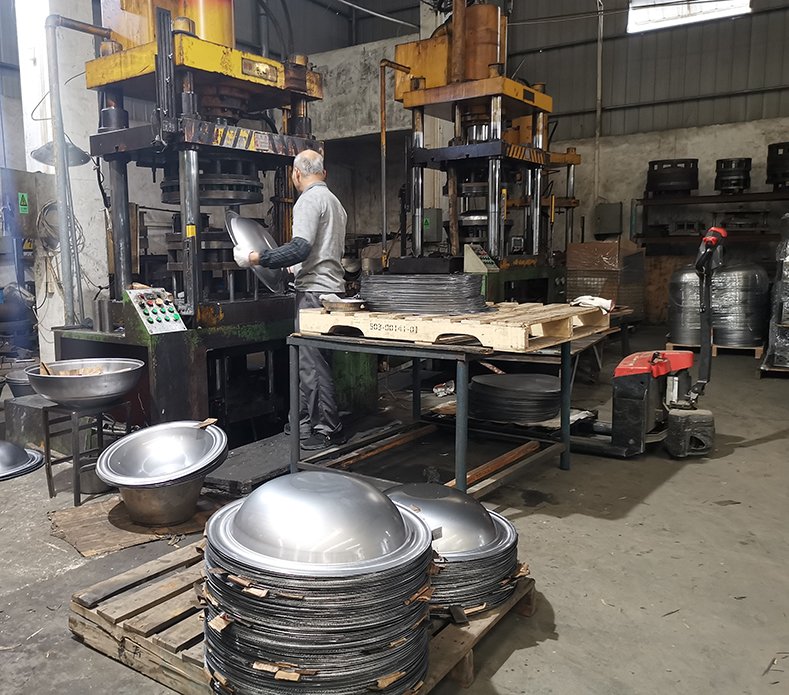
Our factory can be custom color finishes according to your specific requirements if you want to diversify product line. Contact us our sales team.
C. Manufacturing Process
Understanding how porcelain enamel is manufactured sheds light on its quality. The process is based on producing ground glaze and surface glaze in difference, spraying glaze twice or multiple and high-temperature firing. The high-temperature firing not only bonds the enamel to the metal but also ensures a consistent and adhesiveness coating.

In the traditional multi-coating method, a base glaze is first applied to the pre-stamped grill lid and bowl or cast metal product, followed by the application of surface glaze after firing (once or multiple times). After that, firing it under high temperature again. The base glaze serves as a transitional layer that binds with the metal surface, exhibiting strong adhesion. The surface glaze is then applied on top of the base glaze, covering the base color and imparting a smooth and aesthetically pleasing surface to the product, along with a range of excellent physical and chemical properties.
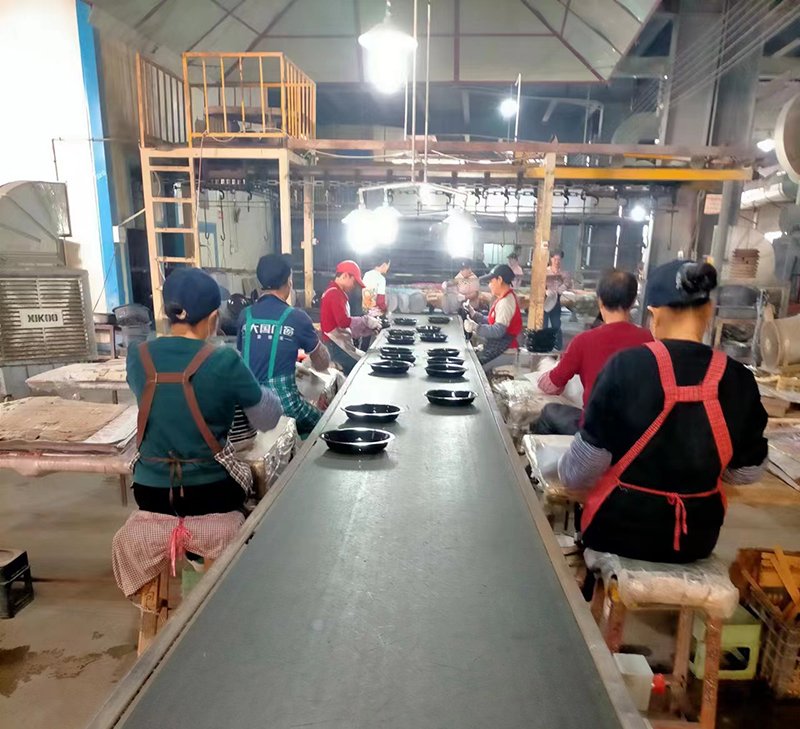
A. Durability
One of the primary advantages of choosing porcelain enamel for your barbecue grill is its exceptional durability. This coating acts as a shield, protecting the underlying metal from rust, corrosion, and other environmental factors. This durability ensures a longer lifespan for your grill, even when exposed to the outdoor.
B. Heat Retention
Porcelain enamel is celebrated for its ability to retain heat efficiently. This means that once your grill reaches the desired temperature, the porcelain enamel coating helps maintain a consistent heat level throughout the cooking process. This even distribution of heat is a game-changer for achieving perfectly grilled delicacies.
C. Easy to Clean
Maintaining a clean grill is essential for both hygiene and performance. Porcelain enamel makes this task easier by providing a non-stick surface. Food residues are less likely to adhere to the smooth enamel, allowing for hassle-free cleaning after each barbecue session.
IV. How to Maintain Porcelain Enamel
A. Cleaning Tips
To ensure the longevity of your porcelain enamel-coated grill, adopting proper cleaning practices is crucial. Use a soft brush or cloth to remove any residue, and avoid abrasive tools that might scratch the enamel surface.
B. Avoiding Scratches
While porcelain enamel is robust, it's not impervious to scratches. Exercise caution when using metal utensils or cleaning tools to prevent any inadvertent damage to the enamel coating.
V. Common Misconceptions about Porcelain Enamel
A. Fragility Myths
Despite its robust nature, there are common misconceptions about porcelain enamel being fragile. Understanding its composition and manufacturing process helps dispel such myths, emphasizing its durability.
B. Stain Resistance
Porcelain enamel's non-porous surface makes it resistant to stains, simplifying the cleaning process. Debunking the misconception that porcelain enamel is prone to discoloration or staining is essential for informed decision-making.
VI. Porcelain Enamel vs. Other Grill Coatings
A. Porcelain vs. Stainless Steel
Comparing porcelain enamel to stainless steel reveals distinct differences in terms of heat retention, durability, and maintenance. Each material has its merits, but understanding your preferences and requirements will guide your choice.
B. Porcelain vs. Cast Iron
Cast iron is another popular choice for grill surfaces. By weighing the pros and cons of porcelain enamel against cast iron, you can make an informed decision based on your cooking needs and lifestyle.
VII. Tips for Choosing the Right Porcelain Enamel Grill
A. Consideration of Cooking Style
Different grills cater to various cooking styles. Considering whether you prefer slow smoking, high-temperature searing, or versatile grilling helps narrow down your options when choosing a porcelain enamel-coated grill.
B. Budget-Friendly Options
While porcelain enamel grills offer numerous benefits, it's essential to explore budget-friendly options that align with your financial considerations. The market offers a range of choices catering to diverse budgets without compromising quality. Also, our factory provides a range of grills, you could contact us if you are interested in our grills.
VIII. User Reviews and Experiences
A. Positive Feedback
Exploring user reviews provides valuable insights into the real-world experiences of barbecue enthusiasts. Positive feedback often highlights the durability, performance, and ease of maintenance of porcelain enamel grills.
B. Potential Drawbacks
No product is without its drawbacks. Understanding potential issues, such as the risk of chipping or specific cleaning requirements, allows prospective buyers to make informed decisions.
IX. Frequently Asked Questions (FAQs)
A. How long does porcelain enamel last on a grill?
- Porcelain enamel, when properly maintained, can last for many years. Regular cleaning and avoiding abrasive tools contribute to its longevity.
B. Can I use abrasive cleaners on porcelain enamel grills?
- It's advisable to avoid abrasive cleaners, as they can scratch the enamel surface. Gentle cleaning with non-abrasive tools ensures the grill's longevity.
C. What temperatures can porcelain enamel withstand?
- Porcelain enamel can withstand high temperatures, making it suitable for various cooking methods, including searing and smoking.
D. Can I repair chipped porcelain enamel? - While it's challenging to repair chipped enamel, there are enamel repair kits available. However, prevention, such as avoiding impacts, is the best approach.
X. Conclusion
In conclusion, understanding what porcelain enamel brings to the barbecue grill is essential for making an informed purchase. Its durability, heat retention, and ease of maintenance make it a preferred choice for many outdoor cooking enthusiasts. By dispelling common myths, comparing it to other coatings, and considering user experiences, you can confidently choose the right porcelain enamel grill for your culinary adventures.
YEENE as an experienced charcoal grill manufacturer can help you custom any color enamel grill. Contact us now.
Controlling the quality when importing charcoal grills from China is crucial to ensure you receive products that meet your standards and maintain the reputation of your business. YEENE BBQ grill factory have cooperated with over 200 customers for 18 years. They have met many different of quality checking in the business. Here's a comprehensive guide on how to control the quality of your imports:
The Importance of Quality Control
Quality control is essential when importing charcoal grills from China to ensure that you receive products that meet safety, performance, and durability standards. Also, you can grow your business, no receive complaints from the market if you doing great job on the quality checking.
1. Choose Reliable Suppliers
Start by selecting reputable suppliers in China. Look for manufacturers with a history of producing quality products and good customer reviews. The first step in the process is to research and compile a list of potential suppliers. Use search engines Google, canton fair and industry directories to find suppliers specializing in charcoal grills.
Also, you can look for the factory with OEM and ODM capability is better for your business, they can help you develop new products. YEENE factory can help you everything on it if you are interested in charcoal grill business. Contact Us.
2. Supplier Verification
Verify the supplier's legitimacy and reliability by checking their business licenses, certifications, and credentials. Ensure they comply with international quality standards. Check for relevant certifications according to your country regulations, like BSCI, ISO, CE (EN-1860), LFGB and so on.
3. Communication
Establish clear and open lines of communication with your supplier. Discuss your quality expectations, standards, and requirements in detail. You can make a charcoal grill quality control checklist to check the products with supplier.
4. Requesting Product Samples
Before placing bulk orders, request samples of the charcoal grills you intend to import. Evaluate the samples for quality, craftsmanship, and materials. It will take a little sample fee and freight cost. But most of charcoal grill factory will refund the cost to you after placing bulk orders.
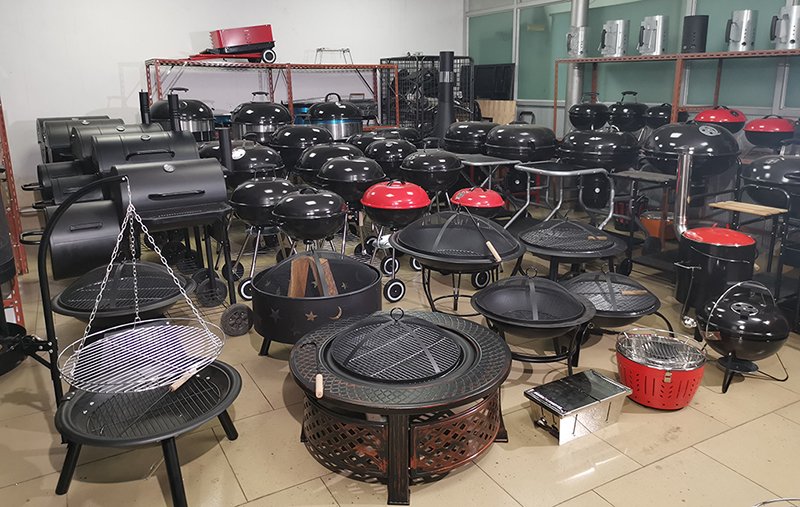
5. On-Site Factory Inspection
Consider visiting the manufacturer's factory or hiring a professional inspector to assess production facilities. This will give you an idea of the working conditions and quality control processes. And you could visit by online meeting if not have time go to factory.
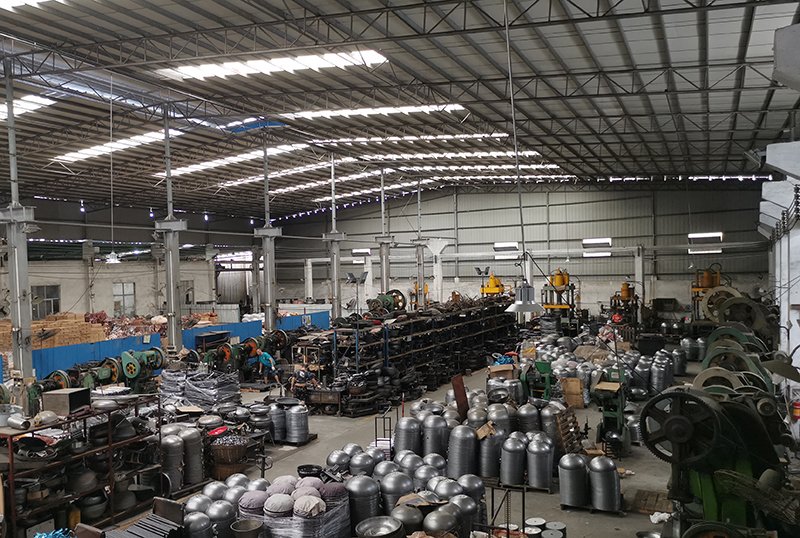
1. Detailed Product Specifications
Provide your supplier with comprehensive product specifications, including materials, dimensions, features, and quality standards. A clear agreement minimizes misunderstandings.
2. Use Contracts and Agreements
Always use written contracts and agreements when importing products. Clearly define quality standards, delivery schedules, and dispute resolution procedures.
3. Confirm order detail
Confirm all details before start mass production. Like the size, LOGO, accessories, delivery time, and all printing proofs. Including user manual, insert, labels and shipping mark etc.
1. In-Process Inspections
Implement in-process inspections during production to identify and rectify quality issues early in the manufacturing process. And you could let the factory send you some production pictures and videos, so that you can know the production schedule.
2. Pre-shipment Inspection
Conduct a pre-shipment inspection of the charcoal grills. This final check ensures that the products meet the agreed-upon quality standards. After finish all inspection, please remember let the factory send you checking detail pictures and videos.
Our factory will do as below if will finish the order production soon, we will send:
A. - Photos of the whole product.
- Front and back side of the complete set
- Front and back side of each piece
- All accessories and pieces included in the set
- Logos on the product
B. - Photos of product size in all angles. (like the height and width of the product etc)
C. - Photos of product Weight.
D. - Complete photos of packaging: user’s manual, inserts, color box, master box, etc.
E. - Videos of functionality and assembly of the product.
3. Third-party Inspection
Consider hiring third-party quality control agencies or inspectors to verify product quality. They can provide an unbiased assessment.
1. Inspect Materials and Construction
Inspect the quality of materials used in the grills, such as stainless steel or cast iron. Ensure they meet your standards for durability and safety. Pay attention to the welding, joints, and overall craftsmanship.
2. Component Evaluation
Examine individual components, such as grates, handles, and vents, for quality and functionality. Verify they meet design and safety specifications.
1. Heat Distribution Tests
A critical aspect of grill quality is its ability to distribute heat evenly. Conduct heat distribution tests to ensure that the grill heats evenly without hotspots, which can affect cooking performance. Quality grills should have consistent heat distribution.
2. Temperature Control Evaluation
Test the grill's ability to maintain and adjust temperatures accurately, which is crucial for consistent cooking.
3. Safety Standards Compliance
Ensure that the grills comply with safety standards and regulations, including electrical and fire safety, to prevent accidents.
4. Surface treatment Checking
Check for the quality of the grill's finish and any coatings applied. Ensure that the finish is smooth and heat-resistant. Without burr on the surface and coating must be evenly, no particles on surface of product and not easy to fall off.
Packaging and Shipment
1. Packaging Inspection
Inspect the packaging materials to ensure they protect the grills during shipping and minimize the risk of damage. You could request Single packaging pass 80cm drop test.
2. Shipping Method Selection
Choose reliable and secure shipping methods that minimize the risk of product damage during transit. You could by sea or by FBA (Fulfillment by Amazon).
Post-Delivery Quality Assurance
1. Receiving and Inspection
Upon receiving the shipment, inspect the grills immediately for any damage or discrepancies.
2. Documentation and Communication
Document any issues or defects, and promptly communicate with the supplier to address and resolve them.
Continuous Quality Monitoring
1. Regular Audits and Feedback
Continuously monitor the quality of imported charcoal grills. Provide feedback and suggestions to your supplier for ongoing improvements.
2. Regular Quality Audits
Periodically audit the quality of your imported charcoal grills to ensure consistency. This helps in maintaining the quality standards over time.
Conclusion
Quality control when importing charcoal grills from China is a multifaceted process that requires careful planning, clear communication, and adherence to strict quality standards. By following the steps outlined in this guide, you can minimize the risks associated with importing and ensure that the grills you receive meet your quality expectations. Remember, ongoing quality monitoring and open communication with your suppliers are key to maintaining a successful import business and consistently delivering high-quality products to your customers.
Please feel free to contact us if you are interested in charcoal grill.
Introduction
In the world of barbecue grills, competition is sizzling hot. Wholesalers looking to make their mark need innovative strategies to stand out from the crowd. This comprehensive guide will take you through winning strategies that will elevate your BBQ grill brand and leave a lasting impression on your customers. From product quality to marketing techniques, we've got you covered.
1. Partnering with Reliable Barbecue Grill Manufacturers
Choosing the right manufacturing partners is critical. Ensure they meet quality standards, have a solid reputation, can be customized on demand, and can scale production as needed. The BBQ grill manufacturer implement strict quality control measures to guarantee that the grills you offer meet the highest standards. This builds trust with retailers and end consumers.
2. Quality Matters: Invest in Premium Materials
Ensuring your BBQ grills are made from top-notch materials sets the foundation for success. Customers are willing to pay more for durability and performance. Stainless steel, cast iron, and porcelain-coated grates are materials that scream quality.
3. Innovation is the Name of the Game
Stay ahead of the curve by introducing innovative features. Think smart grilling technology, adjustable heat zones, and easy-to-clean designs. Innovation not only attracts customers but also keeps them loyal.
4. Unique Design and Aesthetics
Stand out on the shelf with unique designs and appealing aesthetics. A well-designed grill not only performs but also becomes a centerpiece in your customer's backyard.
5. Competitive Pricing
While quality is essential, offering competitive prices is equally crucial. Strike the right balance between quality and affordability. This strategy ensures a broader customer base.
6. Efficient Distribution Channels
Ensure your grills reach customers efficiently. Collaborate with local retailers, online marketplaces, and distributors to make your products accessible.
7. Stellar Customer Support
Outstanding customer support builds trust and loyalty. Provide prompt assistance, clear warranty terms, and hassle-free returns.
8. Effective Branding and Marketing
Build a strong brand identity with memorable logos, slogans, and packaging. Employ digital marketing techniques such as SEO, social media advertising, and email marketing to reach your target audience.
9. Product Reviews and Testimonials
Encourage satisfied customers to leave reviews and testimonials. Positive feedback is a powerful marketing tool.
10. Sustainability and Eco-Friendly Practices
Embrace sustainability by using eco-friendly materials and manufacturing processes. Consumers appreciate brands that care about the environment.
11. Industry Networking
Join industry associations and attend trade shows to network with potential partners and stay updated on industry trends.
As a wholesaler, it's vital to remember that success doesn't happen overnight. Implementing these strategies takes time and effort, but the results are worth it. By focusing on quality, innovation, marketing, and customer satisfaction, you can boost your BBQ grill brand and create a lasting legacy in the industry.
Q: How can I find reliable manufacturing partners for BBQ grills?
A: Research manufacturers with a strong reputation, quality certifications, and a history of delivering on time.
Q: How can I ensure the quality of my BBQ grills as a wholesaler?
A: To maintain quality, invest in premium materials like stainless steel and cast iron. Regular quality control checks during manufacturing are crucial.
Q: What are some innovative features I can introduce in my BBQ grills?
A: Consider features like smart grilling technology, adjustable heat zones, and user-friendly designs.
Q: How can I effectively market my BBQ grill brand?
A: Employ digital marketing techniques such as SEO, social media advertising, and email marketing. Building a strong brand identity is also essential.
Q: Is it important to embrace sustainability as a BBQ grill wholesaler?
A: Yes, sustainability is becoming increasingly important to consumers. Using eco-friendly materials and practices can enhance your brand's reputation.
Q: What should I do if I receive negative product reviews?
A: Address negative reviews promptly and professionally. Offer solutions and resolve issues to show your commitment to customer satisfaction.
Q: How can I expand my distribution channels?
A: Collaborate with local retailers, online marketplaces, and distributors to ensure your grills are readily available to customers.
In the competitive world of BBQ grill wholesaling, implementing winning strategies is essential for long-term success. Focus on quality, innovation, marketing, and customer satisfaction to boost your BBQ grill brand. By following these strategies and staying committed to excellence, you can sizzle your way to the top of the industry.
YEENE is a barbecue grill manufacturer from China. We have manufactured BBQ grill products for 18 years. Main products including portable grill, kettle charcoal grill, barrel grill, smoker, fire pit and outdoor chiminea etc. our factory here to support your business growth by offering high-quality products that will take your customer barbecue experience to the next level. If you want to become our wholesaler, please CONTACT US.
In the sizzling world of barbecue grill wholesaling, success isn't just about selling grills; it's about crafting a thriving business that caters to the ever-growing demand for outdoor cooking. Whether you're a seasoned pro or just starting in the industry, this comprehensive guide will walk you through the essential steps to become a successful barbecue grill wholesaler.
1. Understanding the Barbecue Grill Market
4. Building Strong Supplier Relationships
5. Effective Marketing and Branding
6. Handling Inventory and Logistics
7. Providing Exceptional Customer Service
8. Staying Informed and Adapting
9. Legal and Regulatory Compliance
10. Networking and Industry Events
11. Expanding Your Product Line
12. Managing Finances and Budgeting
13. Sustainable Business Practices
14. Handling Customer Feedback
Grill Your Way to Success: A Comprehensive Guide
1.1. Market Trends and Insights
To excel in the barbecue grill wholesale business, it's crucial to stay updated with market trends and consumer preferences. Trends like the growing popularity of outdoor cooking and the demand for eco-friendly grills can significantly impact your product offerings.
1.2. Identifying Your Niche
Diving deeper into the market, identify a niche that aligns with your business goals. It could be specializing in high-end grills, portable options, or focusing on a specific target audience, such as barbecue enthusiasts or restaurants.
2.1. Local vs. International Suppliers
Deciding between local and international suppliers is a key choice. While local suppliers may offer faster shipping, international ones might provide cost-effective options. Balance quality, cost, and lead time.
2.2. Quality Control
Maintain strict quality control standards to ensure that the grills you source meet the expectations of your customers. This includes thorough inspections and testing before they reach your inventory.
3.1. Competitive Pricing
Research your competitors' pricing strategies and adjust your prices accordingly. Offering competitive rates can attract more customers to your brand.
3.2. Value-Added Pricing
Consider offering value-added services or bundles to justify higher prices. This could include warranties, assembly services, or complementary accessories.
4.1. Communication and Trust
Forge strong relationships with your suppliers through open communication and trust. This will lead to smoother transactions and better terms in the long run.
4.2. Negotiation Skills
Hone your negotiation skills to secure favorable deals with suppliers. Negotiating effectively can lead to cost savings and better margins.
5.1. Creating a Compelling Brand
Invest in branding to make your business stand out. A well-defined brand identity can attract customers and build loyalty.
5.2. Online and Offline Marketing
Leverage both online and offline marketing channels to reach a wider audience. Use social media, e-commerce platforms, and traditional advertising methods to promote your grills.
6.1. Inventory Management
Efficiently manage your inventory to avoid overstocking or running out of popular grill models. Implement inventory software to streamline this process.
6.2. Shipping and Distribution
Choose reliable shipping partners to ensure timely deliveries. A well-organized distribution network can enhance customer satisfaction.
7.1. Prompt Responses
Respond to customer inquiries and concerns promptly. Excellent customer service can lead to positive reviews and repeat business.
7.2. Warranty and Support
Offer warranties and support services to reassure customers about the quality of your grills. This builds trust and confidence in your brand.
8.1. Monitoring Industry Changes
Stay vigilant about industry changes, such as new technologies or materials. Adapt to stay ahead of the curve and meet customer demands.
8.2. Embracing Innovation
Explore innovative grill designs and features to keep your product offerings fresh and appealing.
9.1. Licensing and Permits
Ensure your business complies with all necessary licenses and permits. Failure to do so can result in legal issues that harm your reputation.
9.2. Product Safety Standards
Meet or exceed safety standards to guarantee the safety of your customers. Adhering to these standards is essential for long-term success.
10.1. Trade Shows and Exhibitions
Participate in trade shows and exhibitions to showcase your products and connect with potential clients and partners.
10.2. Joining Associations
Consider joining industry associations to access valuable resources, insights, and networking opportunities.
11.1. Accessories and Add-Ons
Expand your product line with accessories and add-ons that complement your grills. This can boost sales and customer satisfaction.
11.2. Customization Options
Offer customization options to cater to unique customer preferences. Personalized grills can set your business apart from competitors.
12.1. Budget Allocation
Allocate your budget wisely to ensure that all aspects of your business receive adequate funding.
12.2. Financial Planning
Implement sound financial planning to manage cash flow effectively and invest in growth opportunities.
13.1. Environmentally Friendly Options
Consider offering environmentally friendly grills to appeal to eco-conscious consumers. Sustainable practices can also reduce costs in the long run.
13.2. Recycling and Waste Management
Implement recycling and waste management practices in your operations to minimize your environmental footprint.
14.1. Feedback Analysis
Analyze customer feedback to identify areas for improvement. Continuous refinement can lead to better products and services.
14.2. Continuous Improvement
Continuously seek ways to improve your business processes and offerings based on customer input.
15.1. Key Performance Indicators
Track key performance indicators (KPIs) such as sales growth, customer retention, and profit margins to measure your business's success.
15.2. Setting Goals
Set clear, achievable goals to guide your business's growth and development.
In conclusion, embarking on the journey to become a successful barbecue grill wholesaler demands unwavering commitment, a deep understanding of the industry, and an unyielding focus on meeting customer needs. By implementing the strategies outlined in this guide, you can navigate the competitive barbecue grill market and pave your path towards triumph and prosperity.
As you embark on your journey to becoming a thriving barbecue grill wholesaler, remember that success is within your reach. Take action today, implement these strategies, and grill your way to a prosperous future in this sizzling industry. If you're ready to take the first step, click here to access valuable resources and kickstart your wholesale grill business: Access Now. Your success story starts now!
Dear Valued Partner,
As a leading barbecue grill manufacturer in China, we understand the importance of quality, innovation, and customer satisfaction. We recognize that our success is intricately linked to your success as a wholesaler, Amazon seller, supermarket, or retailer. In this article, we will highlight why partnering with us can help you elevate your barbecue grill business to new heights.
At YEENE, quality is our top priority. Our team of skilled artisans uses the finest materials and advanced manufacturing techniques to create grills that are not only durable but also deliver exceptional performance. Your customers will appreciate the superior craftsmanship that goes into every grill we produce.
We offer a wide variety of barbecue grills to cater to different customer preferences. From compact portable grills perfect for camping trips to large, luxurious models for serious grill enthusiasts, our range covers it all. This diversity ensures that you can meet the unique needs of your customers, making your business more appealing to a wider audience.
Staying ahead in the competitive barbecue grill market requires innovation. Our grills come equipped with cutting-edge features such as temperature control, easy ignition systems, and efficient heat distribution. These features make our grills user-friendly and add tremendous value to your offerings.
We understand that personalization is key in the world of retail. That's why we offer customization options for our grills. You can work with us to create exclusive designs or branding, allowing your customers to have a unique barbecue experience that they can only find through your business.
Timely deliveries are crucial to your business's success. With our efficient supply chain management, you can count on us to consistently deliver products on schedule. This reliability will help you build trust with your customers and maintain a competitive edge.
We offer competitive pricing without compromising on quality. This means you can enjoy healthy profit margins while still providing your customers with top-tier barbecue grills at affordable prices.
We understand the importance of marketing and branding. When you partner with us, you gain access to marketing materials and support to help you promote our grills effectively. This support includes product images, descriptions, and even marketing strategies tailored to your target audience.
Partnering with YEENE as a wholesaler, Amazon seller, supermarket, or retailer is a strategic move that can elevate your barbecue grill business to new heights. Our commitment to quality, innovation, and customer satisfaction, along with our diverse product range and customization options, ensures that you can meet the demands of your customers and stay ahead of the competition.
Don't miss out on the opportunity to offer your customers the best barbecue grills on the market. Contact us today to discuss how we can work together to bring premium grilling experiences to households around the world.
Sincerely,
YEENE Barbecue Grill Manufacturer
We will provide you a sample for free from kettle grill and charcoal grills to smokers and accessories if you place bulk order.
In the sizzling world of barbecue grills, partnering with a trustworthy manufacturer can mean the difference between a lukewarm business and a blazing success. With the barbecue industry on the rise, finding the right manufacturer is crucial to meet demand, enhance product quality, and build customer loyalty. This comprehensive guide will take you through the essential steps to elevate your business by collaborating with a reliable barbecue grill manufacturer. From selecting the perfect manufacturer to optimizing your product offerings and gaining customer trust, we've got you covered.
The foundation of your barbecue business lies in choosing a reliable grill manufacturer. Let's dive into the crucial aspects you should consider:
1. Thorough Research and Selection
Research is your secret sauce for success. Look for manufacturers with a strong track record, positive reviews, and a solid reputation within the industry. Seek out manufacturers with a history of delivering high-quality products and excellent customer service. Also, you could ask for ISO, CE (EN-1860) and LFBG certificate etc with factory to make sure the manufacturer reliability.
2. Quality Craftsmanship and Innovation
Partnering with a manufacturer known for its quality craftsmanship and innovative designs gives your business a competitive edge. Collaborate with a manufacturer that embraces the latest technological advancements in grill manufacturing, ensuring your products stay ahead of the curve.
3. Customization and Branding Opportunities
Differentiate your brand by offering customized grill options. Choose a manufacturer that allows you to add your unique branding elements, such as logos, colors, and design features. This enables you to create a distinct identity in the market.
4. Efficient Supply Chain Management
A trustworthy manufacturer should have a well-organized supply chain to ensure timely delivery of products. An efficient supply chain minimizes delays, helping you maintain customer satisfaction and meet market demands.
5. Compliance with Safety Standards
Safety is paramount when it comes to barbecue grills. Ensure the manufacturer adheres to all safety standards and regulations, providing you with products that are not only high-quality but also safe for consumer use.
6. Cost-effectiveness and Pricing Transparency
While quality matters, cost-effectiveness is equally important. Opt for a manufacturer that offers competitive pricing without compromising on quality. Transparency in pricing prevents any unexpected financial surprises down the road.
With a reliable manufacturer at your side, it's time to focus on enhancing your product offerings to attract a broader customer base:
7. Diversify Your Grill Range
Expand your product line to cater to different customer preferences. Offer a variety of grills, such as charcoal, gas, and electric options, each tailored to meet specific cooking needs.
8. Introduce Innovative Features
Stay ahead of the competition by introducing innovative features in your grills. Consider incorporating smart technology, energy-efficient designs, and user-friendly interfaces that elevate the grilling experience.
9. Sustainable Manufacturing Practices
In today's eco-conscious market, environmentally-friendly products are highly valued. Collaborate with a manufacturer that follows sustainable manufacturing practices, using materials that have a minimal impact on the environment.
10. Comprehensive Product Information
Educate your customers about the unique features and benefits of each grill model. Provide comprehensive product information on your website, including detailed specifications, usage guides, and care instructions.
Building trust is the cornerstone of any successful business. Follow these strategies to create a loyal customer base:
11. Exceptional Customer Support
Offer exceptional customer support to address any queries or concerns promptly. A responsive support team builds confidence and reassures customers that their needs are your priority.
12. Genuine Customer Reviews
Encourage customers to leave reviews after purchasing your grills. Positive reviews build social proof, while constructive feedback helps you improve your products and services. After receive your customer’s feedback, send it to your BBQ grill manufacturer, and improve your products with them.
13. Warranty and Return Policies
Transparent warranty and return policies demonstrate your commitment to customer satisfaction. Clear terms and hassle-free processes make customers feel secure about their purchase.
14. Engaging Content and Guides
Create engaging content, such as grilling recipes, maintenance guides, and tips for optimal grill usage. This positions your brand as an authority in the barbecue space and fosters customer loyalty.
15. Loyalty Programs and Exclusive Offers
Reward loyal customers with special discounts, early access to new products, and exclusive offers. These perks make customers feel valued and more likely to choose your brand in the future.
Q: How do I find a trustworthy barbecue grill manufacturer?
A: Start by researching manufacturers with a strong capacity, extensive experience, and strict quality control with safety standards. Look for a history of quality craftsmanship and innovative designs.
Q: What role does customization play in branding?
A: Customization allows you to incorporate your brand's unique identity into the products, making your grills stand out in the market and reinforcing brand recognition.
Q: How can I enhance customer trust?
A: Offer exceptional customer support, encourage genuine customer reviews, provide clear warranty and return policies, and create engaging content that showcases your expertise.
Q: Why is diversifying product offerings important?
A: Diversification helps you cater to a wider range of customer preferences, ensuring that your brand remains relevant and appealing to different segments of the market.
Q: How can I stay ahead of the competition in the barbecue industry?
A: Introduce innovative features, embrace sustainable manufacturing practices, and provide comprehensive product information that educates and informs customers.
Q: What's the significance of loyalty programs?
A: Loyalty programs reward your repeat customers and foster a sense of appreciation and exclusivity, ultimately encouraging long-term brand loyalty.
Elevating your business with a trustworthy barbecue grill manufacturer is a strategic move that can propel your brand to new heights. By selecting the right manufacturer, enhancing your product offerings, and building customer trust, you're setting the stage for long-term success in the competitive barbecue industry. Remember, success in the grilling world doesn't happen overnight, but with dedication, quality, and customer satisfaction, your business can achieve greatness.
If you are looking for trustworthy barbecue grill manufacturer, Yeene barbecue grill factory is also good in China. Compliant with ISO 9001 for optimal quality. And strictly quality inspection is based on our professional QC team. We can provide all of these certificates to you. If you are interested in the factory, please CONTACT US. We will be your benefit best factory.
We are a charcoal grill manufacturer in China. with 18 years experiences on the barbecue grill product industry. We know the industry standards and requirements very well. Let’s talk each certificate for charcoal grill products that you need to know.
When you're on the hunt for a charcoal grill manufacturer, it's essential to ensure that the products meet the highest standards of quality, safety, and environmental compliance. But how do you determine which manufacturer is trustworthy and produces reliable charcoal grills? That's where certificates come into play. Certificates act as an assurance of product quality, safety, and adherence to industry standards.
In this comprehensive guide, we'll explore the vital certificates you need to consider when looking for a charcoal grill manufacturer. From ISO to ETL, we'll delve into each certification and its significance in the grilling industry.
ISO (International Organization for Standardization) certification is a globally recognized standard that emphasizes a manufacturer's commitment to quality management. When a charcoal grill manufacturer holds an ISO certificate, it indicates that they have met rigorous quality control standards throughout their production processes. This certification assures you that the manufacturer adheres to consistency and excellence in manufacturing their products.
ISO certification involves rigorous audits by an independent third-party organization, ensuring that the manufacturer adheres to international quality standards. By choosing an ISO-certified charcoal grill manufacturer, you can have confidence in the durability, performance, and safety of the grills you purchase.
BSCI certification is essential to ensure that the manufacturer complies with ethical and social responsibility standards. It evaluates aspects such as fair wages, working hours, and safe working conditions for employees. Social responsibility is a growing concern for consumers worldwide. When looking for a charcoal grill manufacturer, consider those with BSCI certification.
By supporting BSCI-certified manufacturers, you contribute to a fair and responsible global supply chain. These manufacturers are committed to ethical business practices, which positively impact the lives of their workers and the communities they operate in.
CE certification, especially CE EN1860-1 for grills, is crucial for manufacturers intending to sell their products in the European market. This certification indicates that the charcoal grills meet the essential safety and performance requirements outlined by European regulations. For manufacturers intending to sell their charcoal grills in the European market, obtaining CE certification is a must.
The CE marking indicates that the charcoal grills comply with the relevant EU directives and standards, making them safe for use and sale within the European Economic Area (EEA). When you see the CE mark on a charcoal grill, you can be confident that it has undergone thorough testing and meets the stringent safety criteria set by the EU.
LFGB certification is essential when considering a manufacturer selling charcoal grills in Germany. This certification ensures that the grills are safe and compliant with German laws regarding food and consumer goods.
And make sure the charcoal grills are safe to use and do not pose any health risks when in contact with food. It covers various aspects, including the materials used in the grills, potential release of harmful substances, and overall product safety.
DGCCRF certification is significant for manufacturers looking to sell their grills in France. It confirms that the products comply with French safety and consumer protection standards.
If you are considering buying a charcoal grill in France, look for DGCCRF certification. The DGCCRF, which stands for General Directorate for Competition Policy, Consumer Affairs, and Fraud Control, is responsible for protecting consumer rights and ensuring product safety in France.
A charcoal grill with DGCCRF certification complies with French safety standards and regulations, offering you peace of mind that the product you're purchasing is safe and in adherence to the country's consumer protection laws.
While FDA certification is not directly applicable to charcoal grills, it is crucial for manufacturers who produce grills with components that come into contact with food. This certification ensures that the materials used are safe for food contact.
Although not directly related to charcoal grills, FDA certification becomes crucial if your chosen grill includes components that come into contact with food. The Food and Drug Administration (FDA) in the United States sets strict guidelines for food contact materials to ensure they are safe for consumers.
If your grill has food preparation areas, such as grates or shelves, with FDA certification, you can trust that the materials used are non-toxic and safe for direct or indirect food contact.
ROHS certification is vital for environmentally conscious consumers. It ensures that the manufacturer has restricted the use of hazardous substances in the production of the charcoal grills, making them safer for the environment and users. Environmental responsibility is essential for manufacturers and consumers alike.
This certification is especially important for grills with electronic components, as it confirms that harmful substances like lead, mercury, and cadmium are not present in the electronics. By choosing a grill with ROHS certification, you contribute to a cleaner and safer environment.
REACH certification is crucial in the EU market. It verifies that the charcoal grill manufacturer has registered and safely used chemicals during the production process.
REACH, which stands for Registration, Evaluation, Authorization, and Restriction of Chemicals, is an EU regulation that aims to protect human health and the environment from the risks of chemicals.
By obtaining REACH certification, the manufacturer demonstrates that they have registered and safely used chemicals in the production of their grills. This certification ensures that the grills are free from harmful chemical substances, making them safer for both consumers and the environment.
The Packing Test certification guarantees that the manufacturer follows proper packaging standards, preventing damage to the grills during transportation and ensuring they arrive in perfect condition.
When your chosen charcoal grill comes with Packing Test certification, you can be confident that it will be well-protected during shipping and handling, minimizing the risk of any potential defects or breakages.
FSC certification is vital if you prefer grills made from wood. It ensures that the wood used in the grills comes from responsibly managed forests, promoting sustainability and responsible sourcing.
By choosing an FSC-certified charcoal grill, you support sustainable practices and responsible forest management. This certification promotes the conservation of forests and the protection of biodiversity, making it an environmentally friendly choice.
If you are in the German market or considering a grill from a German manufacturer, GS certification is significant. It is widely recognized in Germany. Grills with GS certification have undergone rigorous testing to meet the country's strict safety requirements, assuring you of the product's safety and reliability.
For grills with electronic components, EMC certification is essential. It verifies that the grill's electronics do not interfere with other devices and operate correctly.
ETL certification is crucial for manufacturers looking to sell their grills in North America. It confirms that the products meet the necessary safety standards in the region.
Q: What is the significance of ISO certification for charcoal grill manufacturers?
A: ISO certification is crucial for charcoal grill manufacturers as it demonstrates their commitment to quality management, ensuring consistent and excellent products throughout their production processes.
Q: How does BSCI certification benefit charcoal grill manufacturers?
A: BSCI certification is essential for charcoal grill manufacturers because it showcases their dedication to ethical and social responsibility. It assures consumers that the manufacturer adheres to fair wages, safe working conditions, and reasonable working hours for their employees. Choosing a BSCI-certified manufacturer supports sustainable and responsible business practices.
Q: Is CE (EN1860-1) certification necessary for charcoal grill manufacturers?
A: Yes, CE (EN1860-1) certification is crucial for charcoal grill manufacturers, especially if they intend to sell their products in the European market. This certification ensures that the grills meet the essential safety and performance requirements outlined by European regulations, making them safe for consumers.
Q: What does LFGB certification mean for charcoal grills?
A: LFGB certification is significant for manufacturers selling charcoal grills in Germany. It verifies that the grills are safe and comply with German food and consumer goods laws. This certification ensures that the materials used in the grills are not harmful to human health and suitable for food contact.
Q: Why should I look for DGCCRF certification when purchasing a charcoal grill in France?
A: DGCCRF certification is crucial for charcoal grill manufacturers intending to sell their products in France. It confirms that the grills meet French safety and consumer protection standards, assuring consumers of their safety and compliance with French regulations.
Q: What role does the FDA certification play in charcoal grills?
A: While FDA certification is not directly applicable to charcoal grills, it becomes significant when the grills have components that come into contact with food. This certification ensures that the materials used in the grills are safe for food contact, providing assurance to consumers.
Q: Why is ROHS certification important for environmentally conscious consumers?
A: ROHS certification is essential for environmentally conscious consumers as it restricts the use of hazardous substances in the production process of charcoal grills. This certification ensures that the grills are environmentally friendly and do not contain harmful substances.
Q: What does REACH certification guarantee in charcoal grills?
A: REACH certification is vital for manufacturers selling charcoal grills in the European Union. It confirms that the manufacturer has registered and safely used chemicals in the production process, ensuring that the grills are free from harmful chemical substances.
When you're on the hunt for a reliable and trustworthy charcoal grill manufacturer, understanding the importance of various certifications is paramount. Certificates such as ISO, BSCI, CE (EN1860-1), LFGB, DGCCRF, FDA, ROHS, REACH, Packing Test, FSC, GS, EMC, and ETL act as an assurance of product quality, safety, and environmental compliance.
ISO certification ensures consistent quality management, while BSCI focuses on ethical and social responsibility. CE (EN1860-1) certification guarantees compliance with European safety standards, and LFGB certification is vital for selling grills in Germany. DGCCRF certification ensures French consumer safety compliance, and FDA certification is essential for food contact materials.
ROHS certification signifies compliance with environmental regulations, while REACH certification ensures safe chemical usage in the EU market. Packing Test certification guarantees safe packaging standards, and FSC supports sustainable sourcing of wood. GS certification ensures compliance with German safety standards, and EMC certification confirms electronics compatibility. ETL certification is crucial for the North American market, ensuring safety compliance.
By considering these certifications, you can confidently choose a charcoal grill manufacturer that meets high standards of quality, safety, and environmental responsibility. So, the next time you're in the market for a charcoal grill, remember the essential certificates that signify a manufacturer's commitment to excellence.
Looking for a reliable charcoal grill manufacturer? Or want to custom a charcoal grill for your business? Click here to know our factory. Our factory has a lot of type charcoal grills and can be provide all certificates for you. Contact us via email sales@yeenegrills.com
Kettle charcoal grills have become an integral part of backyard barbecues and outdoor cooking experiences. These versatile cooking appliances are known for their smoky flavors and ability to sear food to perfection. Have you ever wondered about the manufacturing process that brings these grills from the factory to your backyard? In this article, we will take a deep dive into the fascinating journey of how kettle charcoal grills are manufactured, step by step.
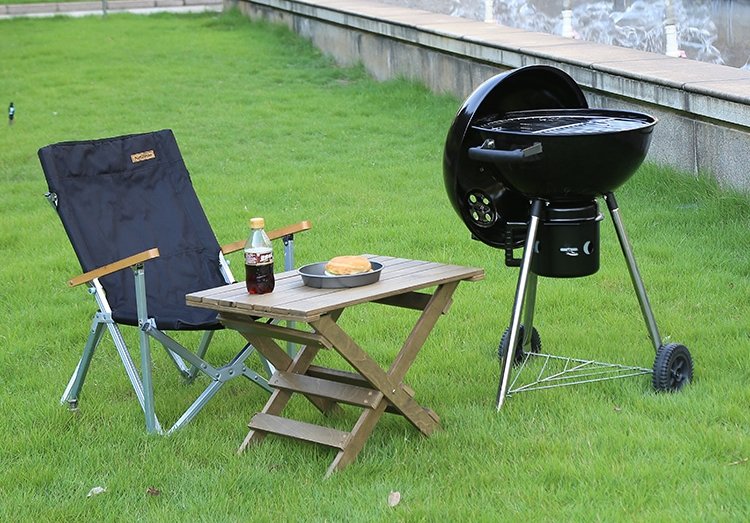
Before we delve into the manufacturing process, let's briefly explore the history and evolution of kettle charcoal grills. The kettle design, with its iconic round shape and dome lid, was first introduced by George Stephen in the early 1950s. Stephen, a welder at Weber Brothers Metal Works, was inspired to create a grill that would allow for better temperature control and heat retention. This revolutionary design quickly gained popularity, and the kettle charcoal grill was born.
To ensure durability and heat resistance, kettle charcoal grills are primarily constructed using high-quality steel. Steel is an ideal material for grills as it can withstand high temperatures and provides excellent heat distribution. The body, lid, and cooking grates of kettle grills are typically made from steel, which is both sturdy and long-lasting.
To enhance the longevity and aesthetic appeal of kettle grills, many manufacturers apply a porcelain enamel coating to the steel components. This coating not only provides a smooth and glossy finish but also acts as a protective layer against rust and corrosion. The porcelain enamel coating also makes cleaning the grill easier, as food particles are less likely to stick to the surface.
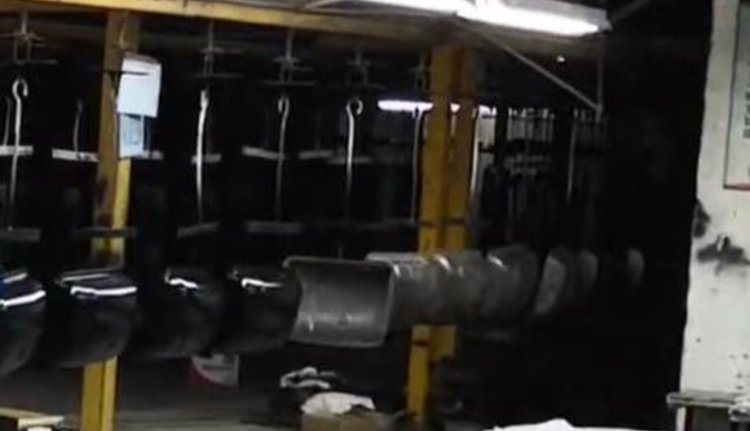
The manufacturing process of kettle charcoal grills begins with sheet metal fabrication. Large sheets of steel are cut into precise shapes using industrial cutting machines. These cut pieces form the main body, lid, and other components of the grill.
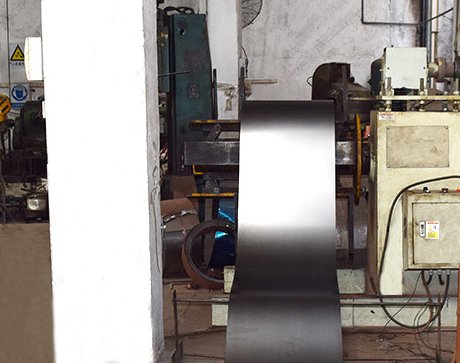
When it comes to manufacturing kettle charcoal grills, precision is key. The first step in the process involves cutting the large sheets of steel into precise shapes that will form the main body and lid of the grill. Advanced cutting techniques are employed to ensure accuracy and consistency in the dimensions of the components.
One of the commonly used cutting techniques is laser cutting. This method utilizes a high-powered laser beam to precisely cut through the steel sheets. The laser beam is controlled by computer programs, allowing for intricate designs and precise cuts. Laser cutting offers several advantages, including clean edges, minimal material wastage, and the ability to cut complex shapes with ease.
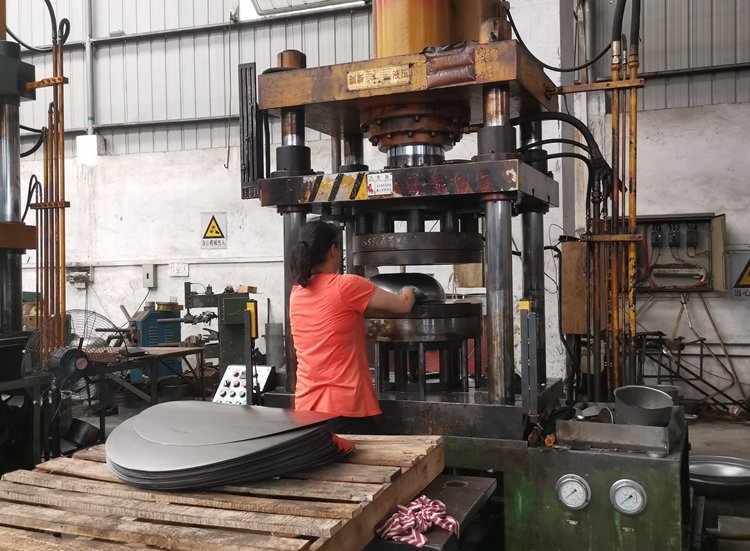
Once the steel sheets have been accurately cut, they are formed into the main body and lid of the kettle charcoal grill. Then process the flat sheets into the iconic round kettle shape.
The forming process typically utilizes hydraulic or mechanical presses. The cut steel pieces are placed in the press and subjected to controlled pressure, which gradually bends and shapes the material. The pressing operation ensures that the components take on the desired curvature and maintain structural integrity.
To achieve the characteristic domed shape of the lid, a separate forming process is employed. The flat sheet of steel is carefully shaped using specialized tools and dies, which create the gentle curve that allows for optimal heat circulation and retention. The lid is an essential component of the kettle grill, as it helps trap the heat and smoke, resulting in deliciously flavored food.
Once the main body and lid have been formed, they undergo further finishing processes, such as deburring and polishing. Deburring removes any sharp edges or rough surfaces, ensuring a safe and smooth finish. Polishing enhances the appearance of the components, giving them a sleek and appealing look.
The precision cutting techniques and meticulous forming process are vital steps in the manufacturing process of kettle charcoal grills. These processes ensure that the components are accurately shaped and crafted to meet the high standards of quality and performance that customers expect from these grills.
With the main body and lid formed, the manufacturing process moves forward to the next stages, including welding and assembly, where the various components are joined together to create a complete kettle charcoal grill ready for use.
Once the sheet metal finish the cutting, then punching the holes by stamping equipment, after that, they are welded it with accessories together to form the main body and lid of the kettle charcoal grill. Skilled welders use advanced welding techniques to ensure strong and secure joints. After welding, the assembled parts are inspected for quality control.
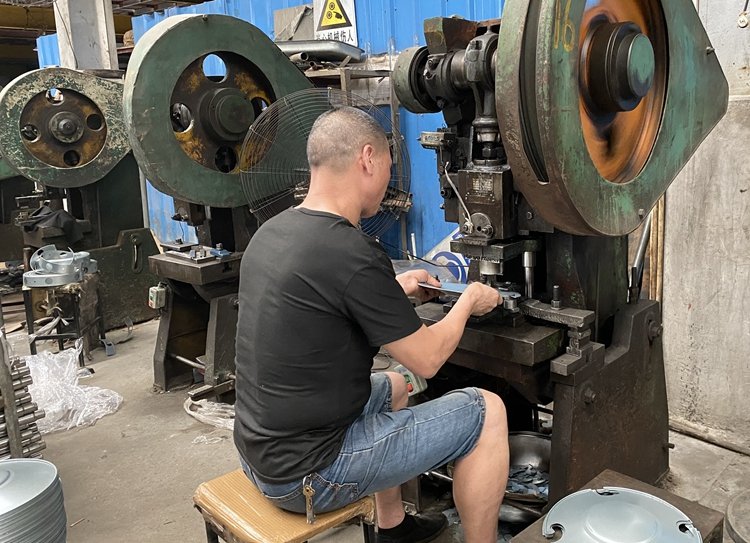
To protect the steel components from rust and corrosion, a porcelain enamel coating is applied. The coating process involves spraying or dipping the parts into a liquid enamel mixture, which is then baked at high temperatures. This process creates a durable and attractive finish.
To enhance the cooking performance of kettle grills, manufacturers incorporate heat shields and vents into the design. Heat shields are installed between the charcoal and the cooking grate to prevent direct heat exposure to the food. Vents, typically located on the lid and the bottom of the grill, allow for precise temperature control by regulating airflow.

Handles, cooking grates, and other accessories are attached to the kettle grill during this stage of the manufacturing process.
Choosing Heat-Resistant Handle Materials
Attaching Cooking Grates and Accessories
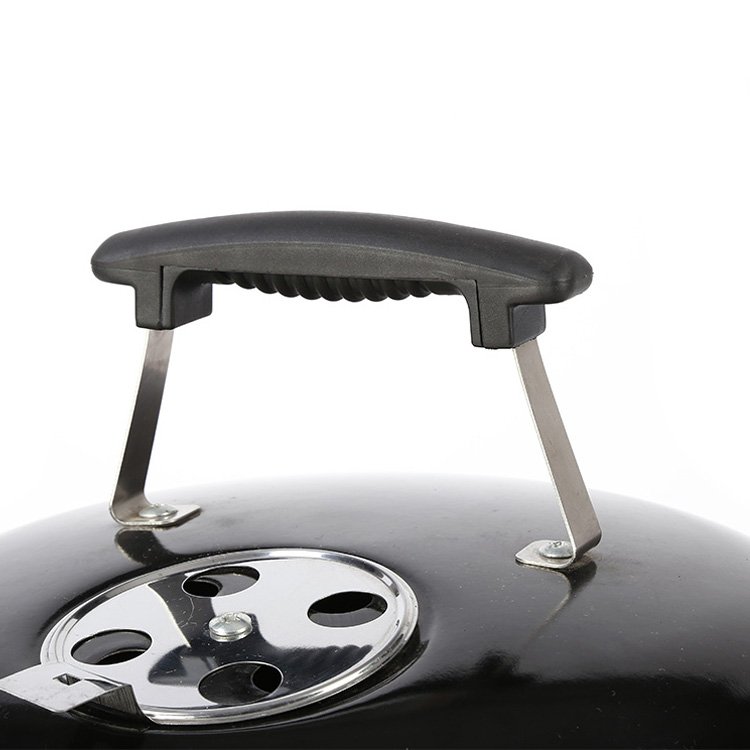
Once all the components are assembled and the grill is fully equipped, it goes through a thorough quality assurance process. This involves inspecting each grill for any manufacturing defects, ensuring all parts are functioning correctly, and conducting performance tests. Any necessary adjustments or repairs are made at this stage to ensure that only top-quality grills reach the market.
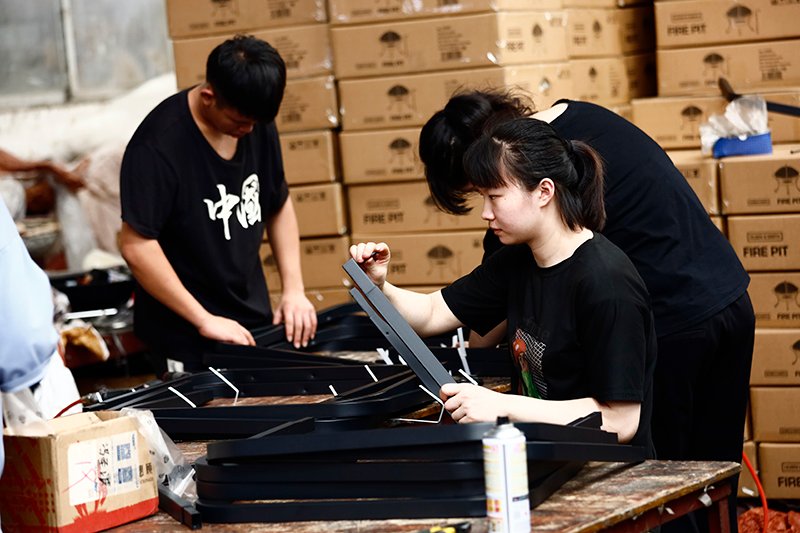
After passing the quality assurance tests, the kettle charcoal grills are packaged and prepared for distribution. The grills are carefully packed to prevent any damage during transportation. Depending on the manufacturer and distribution channels, the grills may be shipped to retail stores, online marketplaces, or directly to customers' homes. The availability of kettle charcoal grills in the market allows enthusiasts to bring the joy of outdoor grilling to their own backyards.
1. How long does the manufacturing process of kettle charcoal grills typically take?
The manufacturing process of kettle charcoal grills varies depending on the complexity of the design and the production capacity of the manufacturer. On average, it can take anywhere from 30 days to 45 days to complete the entire process for one container.
2. Are kettle charcoal grills suitable for beginners?
Absolutely! Kettle charcoal grills are often recommended for beginners due to their ease of use and versatility. With proper guidance and a few basic grilling techniques, anyone can master the art of cooking on a kettle grill.
3. Can kettle charcoal grills be used for smoking food?
Yes, kettle charcoal grills can be used for smoking food. By using indirect grilling methods and adding wood chips or chunks to the charcoal, you can achieve that delicious smoky flavor in your grilled dishes.
4. Are there any safety precautions to consider while using a kettle charcoal grill?
While using a kettle charcoal grill, it is important to follow proper safety precautions. This includes keeping the grill a safe distance from flammable materials, using heat-resistant gloves when handling hot parts, and never leaving the grill unattended while in use.
5. How can I maintain and clean my kettle charcoal grill?
To maintain your kettle charcoal grill, it is recommended to clean the cooking grates after each use, remove ash from the charcoal chamber regularly, and inspect the grill for any signs of wear or damage. Additionally, storing the grill in a dry and covered area when not in use can help prolong its lifespan.
6. Can I use different types of charcoal in a kettle grill?
Yes, you can use various types of charcoal in a kettle grill, including briquettes and lump charcoal. Each type of charcoal offers a slightly different flavor profile, so feel free to experiment and find your preferred choice.
The manufacturing process of kettle charcoal grills is a complex and meticulous journey that involves cutting-edge techniques, quality control measures, and a passion for outdoor cooking. From the initial fabrication of sheet metal components to the final packaging and distribution, every step is crucial in creating a high-quality grill that can withstand the test of time.
So, the next time you fire up your kettle charcoal grill in your backyard, take a moment to appreciate the craftsmanship and expertise that went into its creation. Whether you're a seasoned grill master or a beginner, these grills provide an excellent platform to unleash your culinary creativity and enjoy the flavors of outdoor cooking.
With their sturdy construction, precise temperature control, and unmistakable smoky flavors, kettle charcoal grills have become a beloved staple for backyard barbecues, picnics, and outdoor gatherings. From searing steaks to slow-cooking tender ribs, these grills offer endless possibilities for culinary delights.
In conclusion, the manufacturing process of kettle charcoal grills involves a careful combination of craftsmanship, quality materials, and attention to detail. From the initial fabrication of steel components to the application of porcelain enamel coating and the addition of essential features like heat shields and vents, each step contributes to the production of a reliable and high-performance grill.
Whether you're a grilling enthusiast or someone who simply enjoys the smoky aromas and mouthwatering flavors of outdoor cooking, a kettle charcoal grill is an investment worth considering. So, gather your family and friends, fire up the grill, and create unforgettable memories as you savor the delicious meals prepared on your very own kettle charcoal grill.
Looking for a custom kettle charcoal grill for your business? or wholesale kettle grill for your market? Contact us to learn more.
